
Welcome remarks from Katherine Walsh, Director of Inclusion, River Learning Trust and Chair of CST's SEND and inclusion professional community.
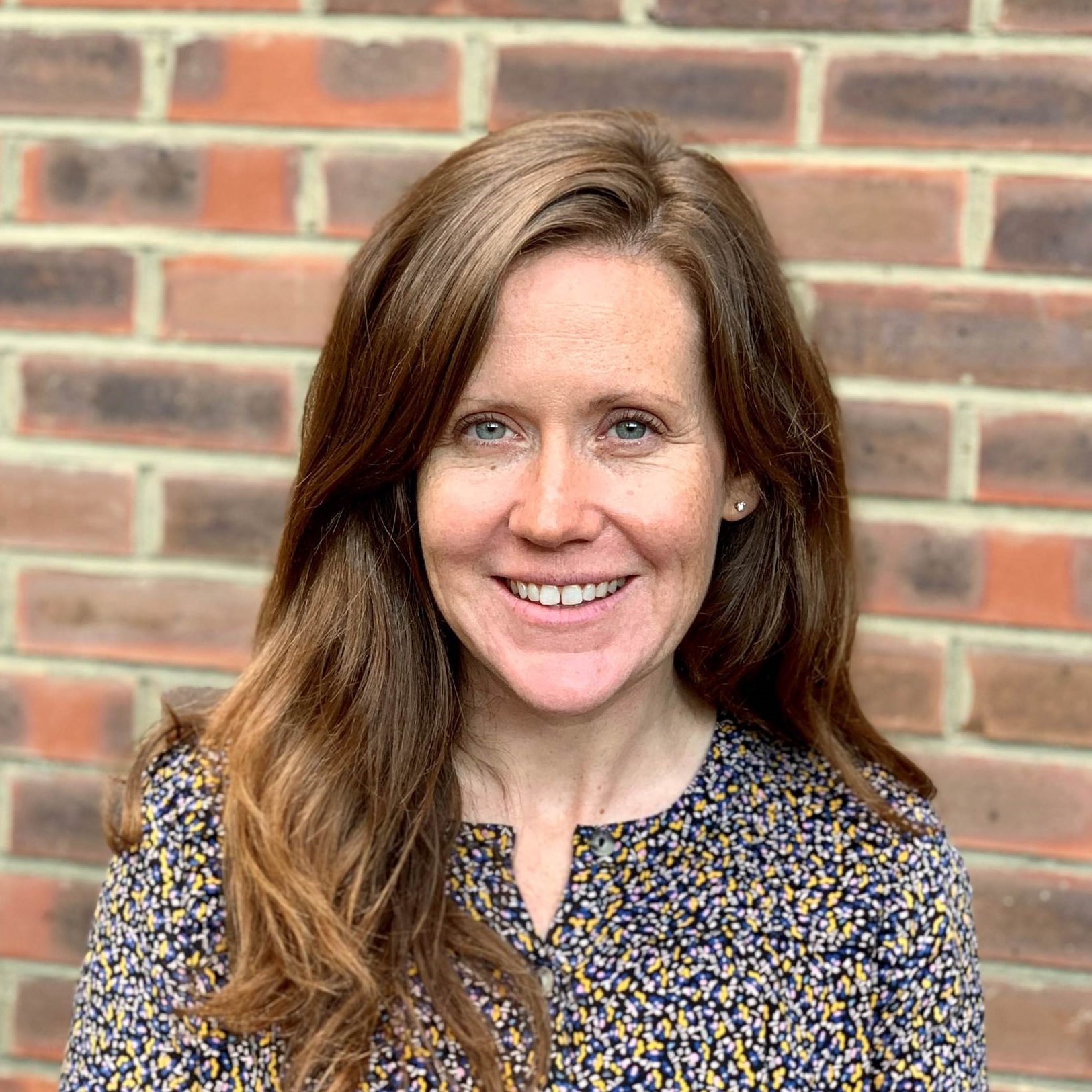
Director of Inclusion, River Learning Trust
Katherine Walsh is the Director of Inclusion for River Learning Trust. She is an experienced teacher and school leader and has led SEND provision in primary and secondary schools in England and America. Over the past ten years, Katherine has developed particular expertise in working with leadership teams to develop school-wide systems, establishing shared and inclusive visions for the education of children and young people with SEND. Katherine was a lead author on the Department for Education commissioned Whole School SEND Teacher Handbook: SEND.
Opening remarks from Leora Cruddas CBE, Chief Executive, CST.
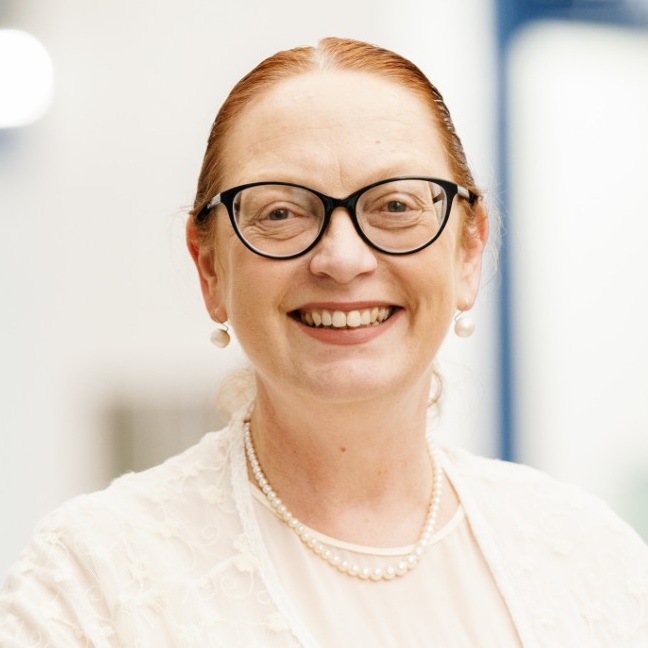
Chief Executive, CST
Leora Cruddas is the founding Chief Executive of the Confederation of School Trusts – the national organisation and sector body for school trusts in England. She has advised successive governments and sits on several Department for Education advisory bodies. She was recently the vice chair of the Head Teacher Standards Review Group, a member of the external advisory group for the Schools White Paper, SEND National Implementation Board and the Regulatory and Commissioning Review.
Prior to founding CST, she was Director of Policy and Public Relations for the Association of School and College Leaders. Leora has six years of experience as a director of education in two London local authorities. She is a visiting professor at UCL Institute of Education. Leora was made a CBE in the 2022 New Year’s Honours.

Director, Teacher and Author of Beautiful Lives: How We Got Learning Disabilities So Wrong
Stephen Unwin is an experienced theatre and opera director. He is also the father of a young man with profound learning disabilities and campaigns for the rights and dignities of people with learning disabilities. His recent book, Beautiful Lives: How We Got Learning Disabilities So Wrong, was described by The Guardian as ‘a landmark book’.
Tom, Leora, and Claire will share their reflections on the Government’s Schools White Paper, plans for SEND reform, and the implications for trusts.

CEO, Ormiston Academies Trust, and Co-Chair, DfE’s Expert Panel for National Inclusion Standards and Specialist Provision Packages
Tom is chief executive of Ormiston Academies Trust, one of England’s most established school trusts which serves over 35,000 children in 45 schools across the country, including special, alternative provision, primary and secondary. He has 30 years of experience working in education as a teacher, headteacher and in executive roles, previously at Ambition Institute where he was responsible for the delivery of professional development to over 50,000 teachers and school leaders.
Tom has worked in different advisory roles to government, including as chair of the Expert Advisory Group for Inclusion. He is current co-chair of DfE’s Expert Panel for National Inclusion Standards and Specialist Provision Packages.
In 2006, Tom was the founding chair of Ups ‘n’ Downs – a charity supporting families affected by Down’s syndrome.
Chief Executive, CST
Leora Cruddas is the founding Chief Executive of the Confederation of School Trusts – the national organisation and sector body for school trusts in England. She has advised successive governments and sits on several Department for Education advisory bodies. She was recently the vice chair of the Head Teacher Standards Review Group, a member of the external advisory group for the Schools White Paper, SEND National Implementation Board and the Regulatory and Commissioning Review.
Prior to founding CST, she was Director of Policy and Public Relations for the Association of School and College Leaders. Leora has six years of experience as a director of education in two London local authorities. She is a visiting professor at UCL Institute of Education. Leora was made a CBE in the 2022 New Year’s Honours.
Director of SEND & Alternative Provision, Department of Education
Claire Burton is the Director of Send & Alternative Provision and joined us in September 2025.
Before joining SEND & AP, Claire was the interim Director General for Regions Group and Regional Director for the London Region, providing integrated delivery of the department's improvement programmes for schools and local authorities, including children’s social care services and special educational needs and disabilities services.
Claire has worked in and around the education sector since joining the Department for Education in 2004. Over the course of her career, she has also worked as Principal Private Secretary to the Secretary of State for Innovation, Universities and Skills; Deputy Director for the apprenticeship programme; Deputy Director and Director of the academy programme and Chief Executive and Accounting Officer of the Standards and Testing Agency, an executive agency of the Department for Education responsible for the development and delivery of national curriculum tests for primary schools.
Hear from Speech & Language Link, one of our SEND and inclusion professional community supporters.
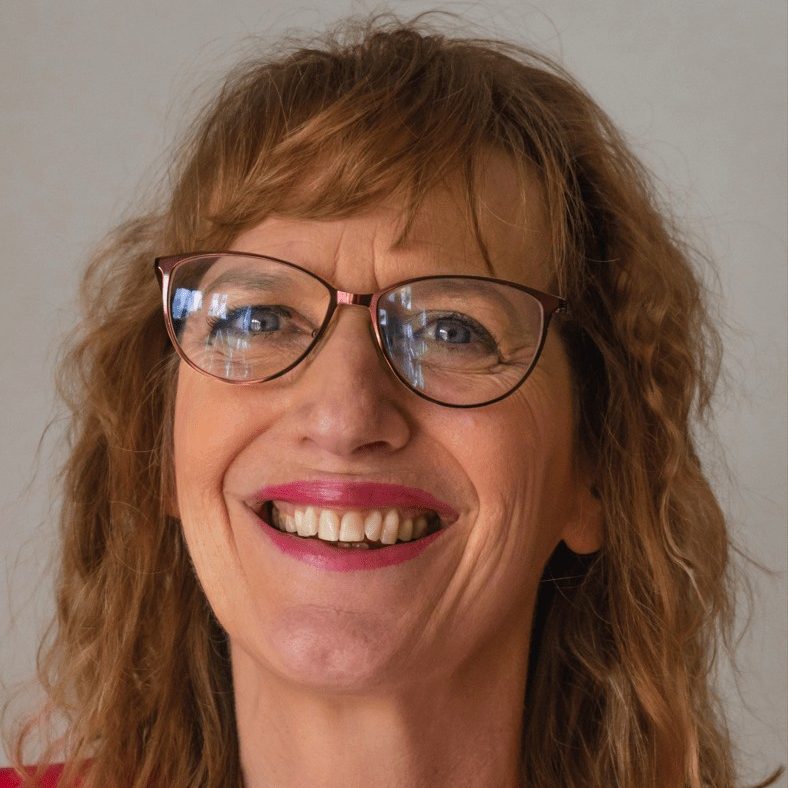
Consultant - Speech and Language in Education, Speech & Language Link
Kate is a highly experienced and driven speech and language therapist, author and consultant working with Speech & Language Link and other organisations. Her specialist work includes working with the Ministry of Justice and Intermediary Co-operative. Kate works to deliver training, enable joint working and develop staff confidence in supporting and identifying pupils with SEND and SLCN.
This panel will reflect on the policy landscape post-White Paper and explore what this means in practice for our young people, schools, and trusts. Katherine will be joined by a panel of trust leaders, who will discuss how we move forward in planning our policies and processes to enact change in the lives of our young people and families. Panellists: to be confirmed
Director of Inclusion, River Learning Trust
Katherine Walsh is the Director of Inclusion for River Learning Trust. She is an experienced teacher and school leader and has led SEND provision in primary and secondary schools in England and America. Over the past ten years, Katherine has developed particular expertise in working with leadership teams to develop school-wide systems, establishing shared and inclusive visions for the education of children and young people with SEND. Katherine was a lead author on the Department for Education commissioned Whole School SEND Teacher Handbook: SEND.
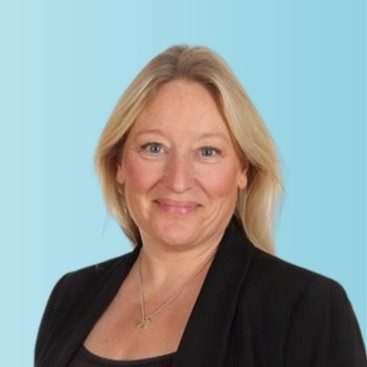
CEO, Humber Education Trust
Rachel Wilkes OBE is the Chief Executive Officer for Humber Education Trust which runs 13 primary schools and four all-through special schools in the Yorkshire and Humber region. She has worked in education for over 25 years and believes that all children are capable of great things when they are given the opportunity to shine. Rachel has been involved in system leadership at many levels during her career, providing school to school support, training and challenge to colleagues across the sector. Prior to becoming the CEO of Humber Education Trust in 2017, Rachel was Headteacher at Clifton Primary School and a National Leader of Education.
Rachel is passionate about inclusion and working collaboratively with partners to champion children to achieve their full potential, particularly those from disadvantaged backgrounds.

CEO, Olive Academies, and Ofsted’s External Advisor for Inclusion
Mark’s work in education is rooted in his belief that schools and other settings have the potential to break historic cycles of social disadvantage and to prevent the marginalisation of vulnerable young people. Mark has been a headteacher of a secondary school, an Ofsted inspector and a founding trustee of the PSHE Association before he established Olive Academies Trust in 2015. Mark is also a member of the DfE Expert Advisory Group for Inclusion.
Through the work of Olive Academies, Mark has been invited to join a small number of external advisory boards and forums, where insight, innovation, and best practices are shared to help form a collective voice that will impact more children and young people nationally. Mark is Chair of The National MAT CEO Network for Alternative Provision and SEND, a member of the DfE’s SEND and AP Improvement Board, Co-chair of Ofsted’s Inclusion Reference Group and Independent Chair of Norfolk County Council’s Executive Board. An advocate for partnership working, Mark regards collaboration as an effective and necessary route to improving the life chances of more of the most vulnerable children in the country.
In 2021 Mark was awarded an MBE in The Queen’s New Year Honours List for his services to children and young people with special educational needs and disabilities.

CEO, Education South West
Originally hailing from Manchester, Matthew has worked as a teacher in education for 31 years, 20 as a headteacher, executive headteacher and chair of governors. Matthew has led both secondary and primary schools out of special measures to achieve Ofsted outstanding and good grades. He's motivated by improving cultures and providing opportunities for all children to succeed, not just boosting examination outcomes.
He is proud to have been designated a National Leader of Education, as well as a trained and active lead Ofsted inspector at primary and secondary level, and enjoy working with others. He is also a trustee of School Leadership Services, which offers support and challenge to heads and leaders across the south west.
Hear from Crick Software, one of our SEND and inclusion professional community supporters.

UK Sales Manager, Crick Software
James is the UK Sales Manager at Crick Software with over 20 years’ experience working in primary education. During this time, James worked as a Literacy Consultant for Leicestershire County Council and led several projects centred on improving writing outcomes for children using technology and digital media. Most recently, he spent four years as headteacher of a primary school in Leicestershire, leading on many areas of school improvement, such as curriculum design, pupil achievement and assessment.
In this session, Emeritus Professor Edward Melhuish will explore the link between early years and the development of SEND in children. His presentation will draw on research which evidences the importance of Early Childhood Education and Care for children, families and communities, how this can influence children’s long-term development, and the implications for how we plan practice and policy.

Emeritus Professor of Human Development, University of Oxford
Ted Melhuish is Emeritus Professor of Human Development, University of Oxford
He has undertaken research in 12 countries, and is currently undertaking large-scale longitudinal studies in Norway, the UK, and Australia involving family, community and pre-school influences on child development, and policy implications. He is also taking part in an EU-project (ISOTIS) on inequality in childhood involving 11 countries.
His studies contributed to social policy in the UK in the area of families, young children, early education and social disadvantage, including the 1989 Children Act, the 2005 Children Act, 2006 Childcare Bill. He has served as an expert witness to several House of Commons Select Committees, and is a member of a child well-being working group of WHO, and the Human Capital and Economic Opportunity Working Group Early Childhood Interventions Group. He is a Fellow of the Academy of Social Sciences and in 2016 was awarded an OBE for services to social sciences.
Over many years, he has acted as an advisor and consultant on a pro-bono basis to many charities and voluntary organisations involved with child well-being, including NSPCC, Save the Children and Action for Children. He has been a trustee of the WAVE trust and the Foundation Years Trust.
This panel brings together a range of different expert perspectives to share practical examples on how we ensure young children with SEND get off to the best start in life and education. Panellists: to be confirmed

Group Chief Quality Officer and Safeguarding Lead, Busy Bees Nurseries
Gill works for Busy Bees Nurseries as their international lead for quality and safeguarding.
Until recently, Gill was the deputy director for schools and early education at Ofsted, where she was responsible for school inspection policy, the curriculum unit, SEND, early years regulation and inspection, ITE, literacy and inspector training. She also led on the inspection of reading and worked closely with the DfE English hubs. As a HMI, she inspected schools, children's centres, SEND, local authorities and early years settings.
Before joining Ofsted, she was a headteacher of several primary schools. Her specialist subjects are English, particularly the teaching of reading, and music.

National Director of Primary SEND, E-ACT
Rhian Warner is the National Director of SEND (Primary) at E-ACT, leading on the trust’s approach to inclusion, early identification, and high‑quality SEND provision across its primary academies and all-through special school. With extensive experience in primary education and specialist support, she has held a range of leadership roles focused on improving outcomes for children with additional needs including deputy headteacher and SENDco.
A passionate advocate for early intervention and whole‑school inclusion, Rhian contributes to sector‑wide conversations on SEND leadership, effective provision, and the use of inclusion bases in mainstream primary schools. Rhian works closely with whole education presenting and sharing practise on SEND, is currently the Lead Facilitator of the NIOT NPQSENDco, and recently presented at the DFE South West RISE inclusion event, sharing E-ACT's work on inclusion bases.
Executive SENDCO Lead, Kernow Learning Multi Academy Trust
Tanya is a qualified Autism Champion, Dyslexia Champion and designated teacher for children in care and looked after children. She currently works closely with SENDCOs and headteachers across most Kernow Learning schools. She started as a SENDCO more than 20 years ago at Camelford Primary School which was rated outstanding by OFSTED in 2011. She is an experienced area resource base teacher and manager, working with children with complex needs. She worked as an educational consultant with Cornwall Council’s SEND team to deliver training for the National Award for SENDCOs, the educational psychology team to support area SENDCO groups, and the cognition and learning team to inspect schools applying for the Inclusive Dyslexia Friendly Award. Tanya is also an NIoT NPQSEND Facilitator.

Director of School Improvement - Primary, St Joseph Catholic Multi Academy Trust
Amy is the Director of Primary Education within St Joseph Catholic Multi Academy Trust. She joined the St Joseph CMAT following headship within REAch2 Academy Trust, the largest primary only trust in the country. She has an unrelenting focus on ensuring that all children receive the best possible education, and has a strong track record of successful school improvement within areas of high deprivation. Amy brings extensive experience of working with the most vulnerable children and has demonstrated the ability to improve children’s lives through education. With a driving force for collaboration and developing expertise, Amy has supported many schools and individuals to demonstrate excellence and thrive in their settings. Amy’s support ensures that school communities are empowered to achieve the very best educational success for all.
Director of Inclusion, River Learning Trust
Katherine Walsh is the Director of Inclusion for River Learning Trust. She is an experienced teacher and school leader and has led SEND provision in primary and secondary schools in England and America. Over the past ten years, Katherine has developed particular expertise in working with leadership teams to develop school-wide systems, establishing shared and inclusive visions for the education of children and young people with SEND. Katherine was a lead author on the Department for Education commissioned Whole School SEND Teacher Handbook: SEND.
With SEND tribunals rising and expectations around reasonable adjustments increasing, trusts face growing pressure to balance legal compliance with classroom realities. This session introduces a series of principles curated by Stone King to support leaders in making defensible, consistent decisions about adjustments. We will explore how schools can meet their duties while navigating capacity, workforce, and operational constraints.

Partner, Stone King LLP
In addition to leading Stone King's national Education Sector Group of over 70 lawyers, Roger specialises in school governance and re-organisation (notably for multi academy trusts), school finance, admissions and also all pupil provision issues. A recognised national specialist regarding special educational needs law, Roger also works as a judge in the SEN Tribunal in addition to his role at Stone King.
Roger contributes to the education sector more generally by working closely with national schools’ membership organisations, notably the Confederation of Schools Trusts, the Institute of School Business Leadership and the Co-Operative Schools Network on education developments. Outside work, Roger volunteers as a trustee for a sixth form trust.

Partner, Stone King LLP
Richard has over 23 years’ experience in advising schools and local authorities on a wide range of education issues including admissions, exclusions, SEN, disability discrimination and other Equality Act issues. His advice has covered both state funded and independent schools. Richard also has significant experience in SEND law and other local authority education issues such as transport, school re-organisation, legal challenges and complaints.
This session explores how strong leadership underpins quality assurance and management in Enhanced Provision, drawing on insights from Ambition Institute’s community of practice. Participants will consider a practical quality management framework, hear real-life examples from a senior leader of enhanced provision, and reflect together on effective approaches and common challenges. The session closes with a summary of key points and next steps for Ambition’s ongoing work in this area.

Director, New Programme Design, Ambition Institute
Katy is a Director of Learning Design at Ambition Institute where she oversees New Programme Design. Prior to this she led the design of the reformed NPQ suite and led the design of ITT and NPQ curriculum at Ark Teacher Training. Before moving into teacher development, Katy was a history teacher and deputy director of sixth form in a London school.

Assistant Director of Education - SEND and Specialist Provision, Greenshaw Learning Trust
Amelie is Assistant Director of Education (SEND and Specialist Provision) at Greenshaw Learning Trust. She is also a Trustee at Leo Academy Trust and is its safeguarding/SEND trustee. Amelie is also regional lead for Whole School SEND in the London region and was a lead author on the Department for Education commissioned Whole School SEND Teacher Handbook: SEND - Embedding Inclusive Practice.
Amelie has extensive leadership experience and is passionate about strong system leadership, including governance, that challenges and enables all leaders to deliver on distributed leadership for SEND. Amelie has worked in several roles, including as SENCO, head of inclusion and headteacher and in all these roles focused on developing school-wide systems that built inclusive practices so that all children can thrive.
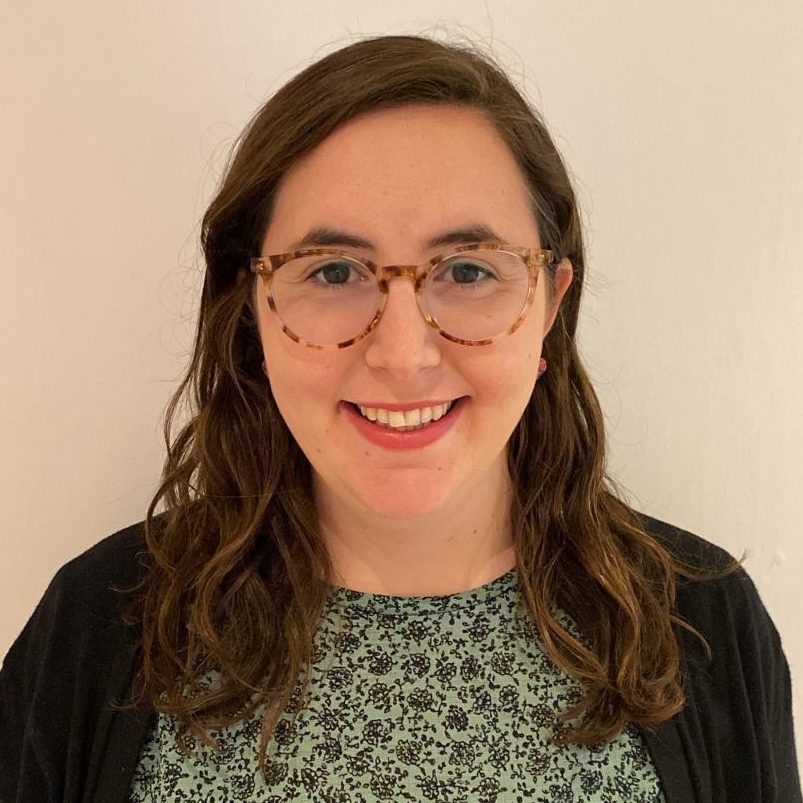
Associate Dean, Ambition Institute
Lucy is Associate Dean with a SEND specialism. She has worked in a variety of roles including as a teaching assistant and disability support worker. She has worked for over a decade in inner city schools in London and was most recently on the leadership team at Oasis Academy Southbank.
This session explores how Cumbria Education Trust simplified a complex challenge: helping staff understand diverse SEND profiles so they can make the right classroom adjustments for individual learners. Through collaborative design and a clear, accessible toolkit, CET created a culture where child‑centred provision is not complicated but consistent, confident, and actionable. Delegates will take away practical insights into how shared understanding leads to stronger, more inclusive classroom practice.
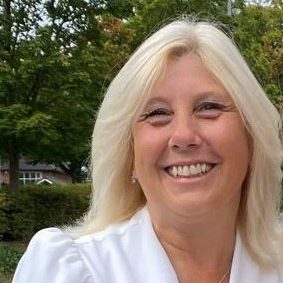
Director of Learning Provision, Cumbria Education Trust
Sue Newstead is the Director of Learning Provision at Cumbria Education Trust and a highly experienced SENCO with over 25 years working in SEND. For the past decade, she has led the trust’s inclusion strategy across primary and secondary settings, ensuring that vulnerable learners receive the support they need to thrive. Sue champions the principle that inclusion is not a programme but a culture—one built on consistently placing pupils at the centre of every decision. She firmly believes that truly inclusive education transforms life chances, and she is dedicated to helping schools create environments where every child can flourish academically, socially, and emotionally.
Across England, the SENCO role is under increasing pressure, with rising vacancies, unsustainable workloads and growing expectations, set against a rapidly changing policy landscape. The SEND Reform White Paper signals a shift towards a more strategic SENCO role, while the new Ofsted framework places greater emphasis on inclusion and how effectively schools support pupils with SEND. This session explores what these changes mean in practice for schools and trusts. Drawing on system leadership experience across a school trust, it will examine how leaders can reposition the SENCO role towards strategic leadership of inclusive provision and teaching. Participants will gain practical approaches to workforce design, distributed leadership and SENCO support to strengthen inclusive classrooms and improve the sustainability of the role.

National Director of Inclusion & Partnerships, Ormiston Academies Trust
Wasim is a member of the executive leadership team at Ormiston Academies Trust (OAT), a family of 45 schools across England. As National Director, he oversees a cluster of special and alternative provision academies and leads OAT’s national strategy for inclusion. Wasim’s career spans mainstream, special, and alternative settings, including serving as a headteacher and executive headteacher in inner London before joining OAT in 2021. His work focuses on supporting schools to build inclusive cultures through strong leadership, high-quality teaching and effective support for pupils with additional needs. He was also a member of the Institute for Public Policy Research (IPPR) Inclusion Taskforce, contributing practitioner insight to the national report Breaking the Cycle: A Blueprint for SEND Reform (2025).
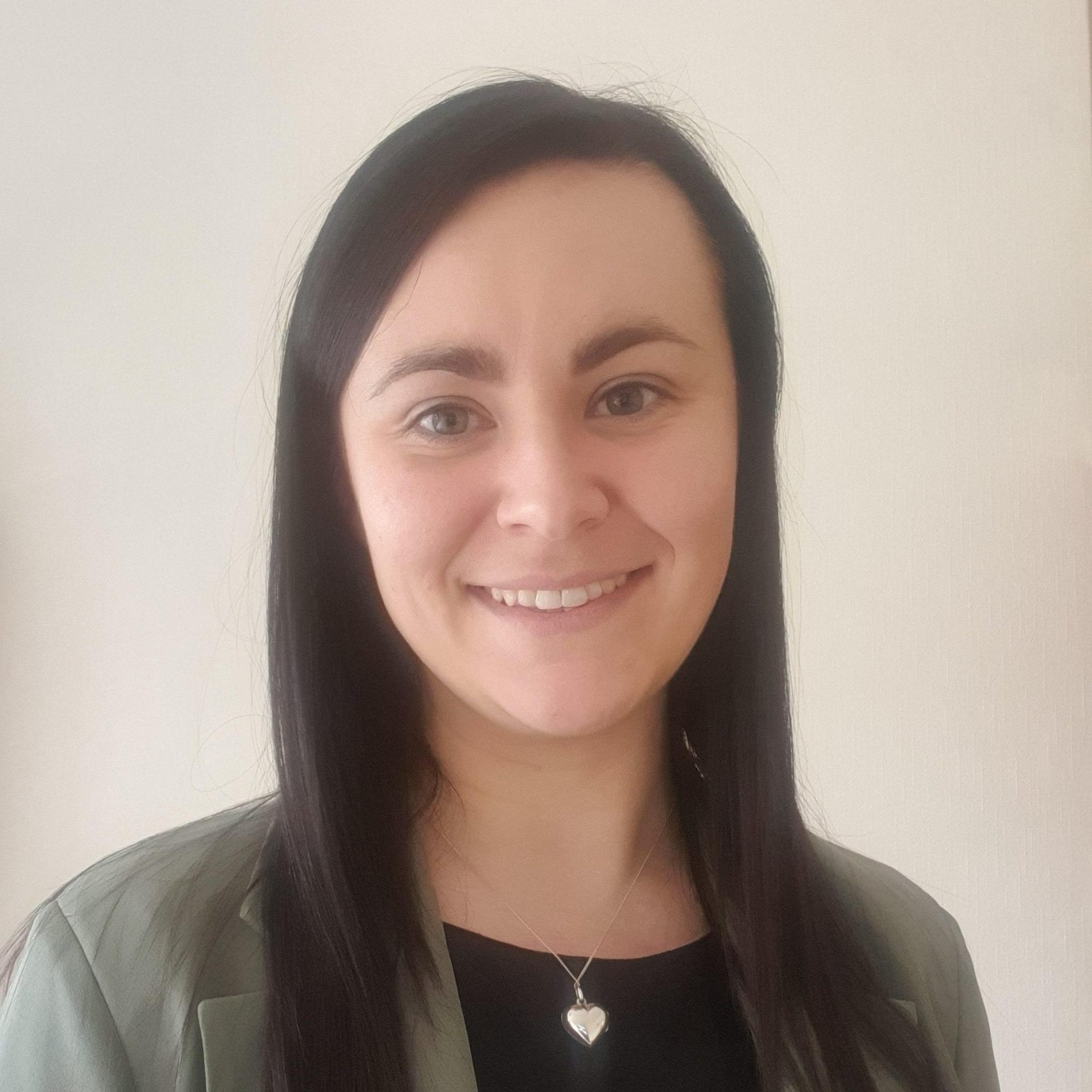
Senior Lead Practitioner for SEND, Ormiston Academies Trust
Natasha is a member of the central education team at Ormiston Academies Trust (OAT), a family of 45 schools across England. As the Senior Lead Practitioner for SEND, she oversees the trust’s strategy for SEND and inclusion, working with primary, secondary, alternative provision and special settings. Her work focuses on supporting schools to remove barriers and strengthen provision so that children with additional needs experience high quality teaching and a true sense of belonging. She supports the development of school leaders, culture and systems that enhance inclusive practice. She also contributes to sector-wide development through collaborations with national organisations such as Ambition Institute and Whole Education, supporting the sharing of best practice across the system.
Join this session to hear a clear and honest exploration of how a failing pupil referral unit was transformed into an outstanding alternative provision through strong systems, consistent routines, and sustained leadership. Astrid and Af will examine what effective leadership looks like in this context, with a focus on high expectations, strategic staff recruitment, and continuous school improvement for vulnerable learners. The session will highlight the importance of early assessment and timely intervention, alongside high-quality teaching that meets diverse needs. Attendees will also explore approaches to developing positive attitudes, personal growth, and successful pathways into further education, training, or employment.
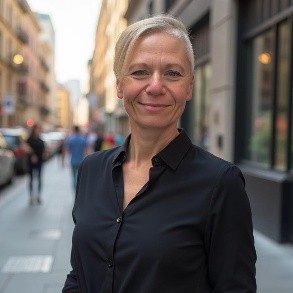
Headteacher, London East Alternative Provision
Astrid in her role of Headteacher is an expert practitioner with a proven track record in both mainstream and alternative provision education. Up until recently she led one of the largest all-through AP schools in the country, situated in an area of high deprivation, with some of the highest youth violence rates. In June 2024 , the alternative provision school (London East Alternative Provision, LEAP) she led achieved an outstanding rating from OFSTED in all areas, one of the very few alternative provision schools in the country to have accomplished this under the new framework.
Astrid is recognized for her expertise in implementing effective behaviour, wellbeing, therapeutic, academic, vocational and extra-curricular strategies in schools. She has been instrumental in driving substantial positive change across various provisions, including primary, KS3, KS4, and post-16, while championing students with additional SEND, behavioural, social-emotional, social care and learning needs in AP schools. She works as a school improvement partner and consultant for a large school trust (Olive Academies) and she has collaborated with many organisations on best practice AP, including the Department of Justice, Centre for Social Justice, The Difference, the DfE and APPGs in Parliament.

Deputy Headteacher, London East Alternative Provision
Afrooz Hannan is the Deputy Headteacher for London East AP.
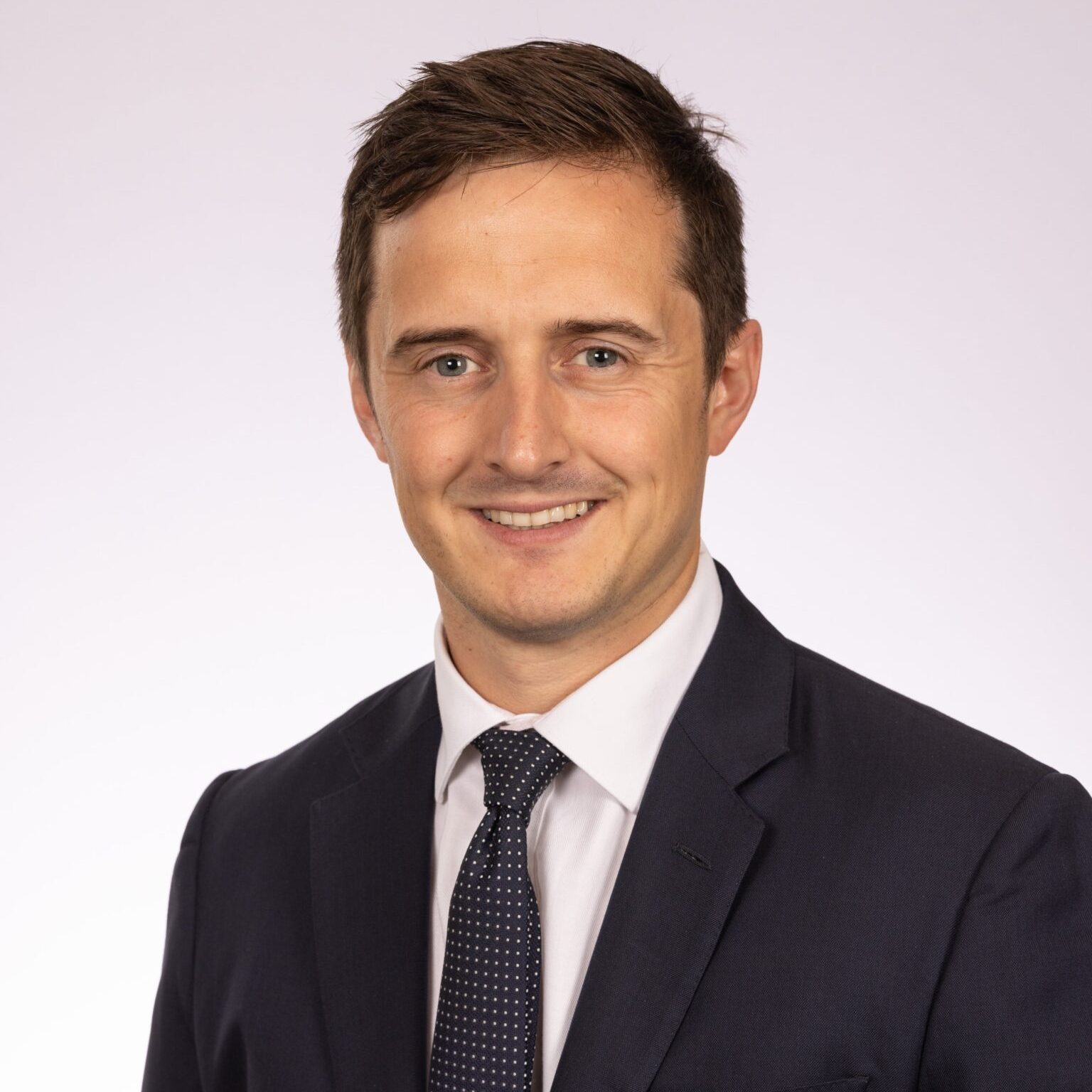
Director of Operations, Academy21
Alessandro began his teaching career as an English teacher, qualifying through the Teach First programme. Now an experienced education leader, Alessandro has a wealth of experience, having led as a headteacher and deputy headteacher across multiple areas of school life: inclusion, pastoral care, staff development and the curriculum.
Recently, Sandro served as Executive Headteacher of Academy21 for over two years, developing flexible, inspiring educational opportunities for online learners and leading the strategic direction of the school. Combining his past experience with a deep appreciation for the ways in which online alternative provision can support learners to thrive, Alessandro now oversees all Academy21 operations to build an inclusive education that prepares students for the environments that they will work and live in, and giving them the space and structure to develop not just as learners but individuals.
Alternative Provision plays a key role in our education system and has the potential to change lives. Mark will be joined by a panel of trust leaders and the DfE to explore the thinking behind the proposed new role for AP with a reformed school system. Panel members will also highlight the collaborative approaches that currently take place between mainstream and specialist provision and explore how they might be maximised and developed in the future to both build capacity in our schools and transform even more lives.
CEO, Olive Academies, and Ofsted’s External Advisor for Inclusion
Mark’s work in education is rooted in his belief that schools and other settings have the potential to break historic cycles of social disadvantage and to prevent the marginalisation of vulnerable young people. Mark has been a headteacher of a secondary school, an Ofsted inspector and a founding trustee of the PSHE Association before he established Olive Academies Trust in 2015. Mark is also a member of the DfE Expert Advisory Group for Inclusion.
Through the work of Olive Academies, Mark has been invited to join a small number of external advisory boards and forums, where insight, innovation, and best practices are shared to help form a collective voice that will impact more children and young people nationally. Mark is Chair of The National MAT CEO Network for Alternative Provision and SEND, a member of the DfE’s SEND and AP Improvement Board, Co-chair of Ofsted’s Inclusion Reference Group and Independent Chair of Norfolk County Council’s Executive Board. An advocate for partnership working, Mark regards collaboration as an effective and necessary route to improving the life chances of more of the most vulnerable children in the country.
In 2021 Mark was awarded an MBE in The Queen’s New Year Honours List for his services to children and young people with special educational needs and disabilities.
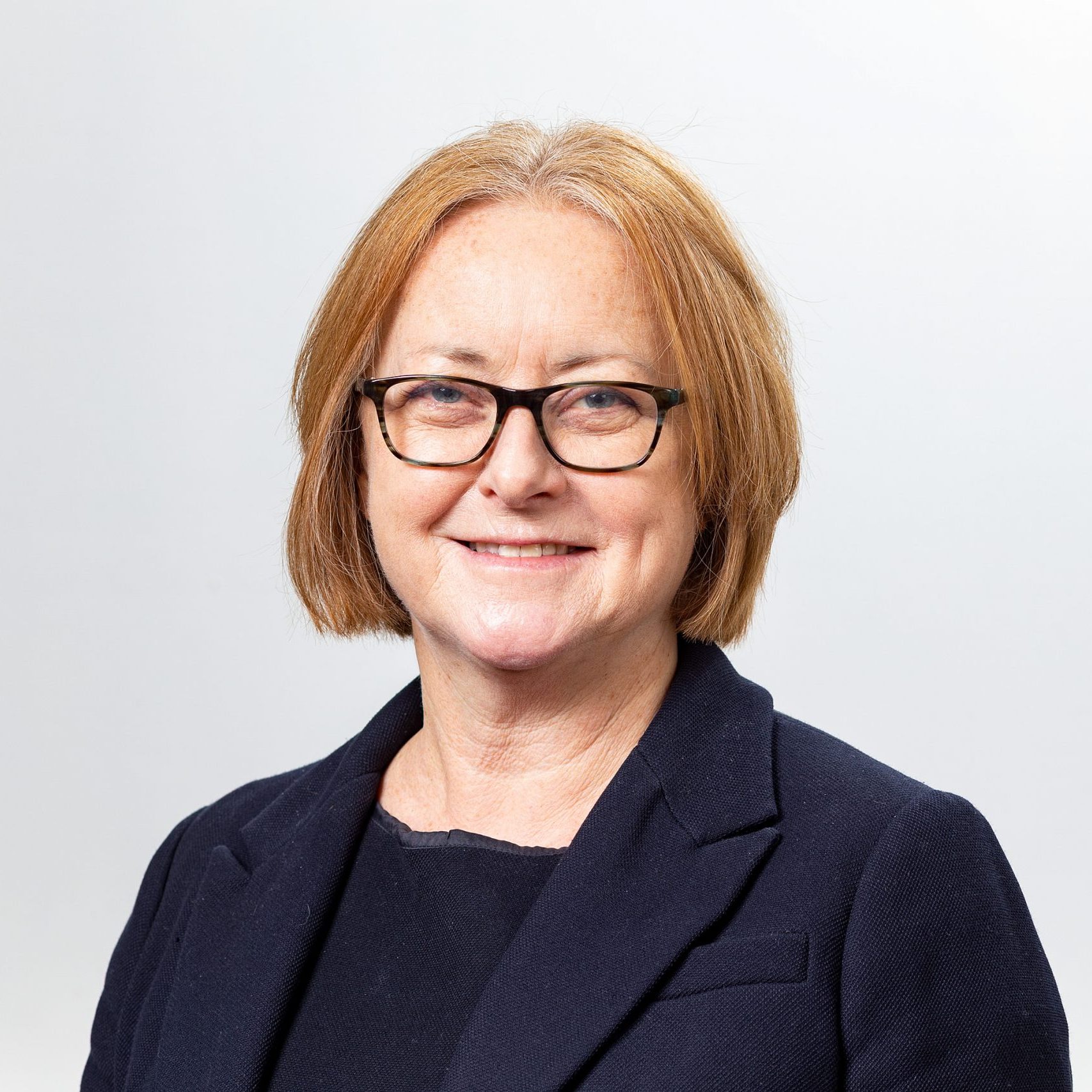
CEO, River Tees Multi-Academy Trust
Christina has a background in school improvement, championing ambitious outcomes for disadvantaged and vulnerable learners. She is a Designated Safeguarding Lead, SENDCO and Specialist Teacher. Christina is involved various networks across the North-East and nationally.
River Tees Multi-Academy Trust is a specialist trust based in the North-East of England. Learners attend the trust’s five academies because of their special educational needs, health conditions, because of permanent exclusion or to undertake specialist assessment and transition programmes. The trust provides for learners aged 5 to 19 across our settings.
Christina has a strong interest in ensuring that all learners can access safe, high-quality inclusive education regardless of their circumstances. The trust works closely with parents, carers, families and their local communities to promote civic participation.
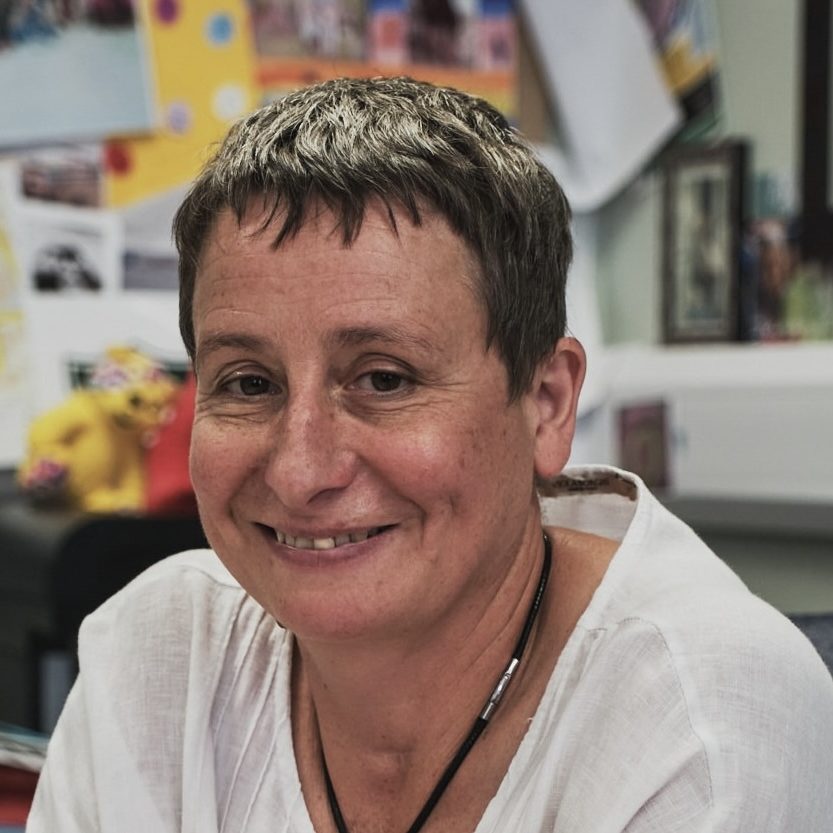
CEO, Alternative Learning Trust
Emma Bradshaw is a teacher and leader with over 30 years of working with vulnerable children and families. She is CEO of Alternative Learning Trust a specialist trust for SEMH special schools and Alternative Provision. Emma has worked in all sectors with a focus on inclusion, SEND and deprivation. She has a strong track record of multi-agency working and working in partnership with Local Authorities. Emma is passionate about her schools taking their place in each local community and partnership that they are located in, systemically leading and influencing mainstream schools partners. Emma also works for the DfE as a RISE advisor and represents her sector on a number of stakeholder groups.

SEND Reform Engagement, SEND and AP Directorate, Schools Group, Department for Education
Tom is based in the Department for Education’s SEND and AP Directorate, as part of the team developing the reforms currently under consultation. His experience at DfE includes several years as head of policy for alternative provision, collaborating with leaders in the sector to promote the role alternative provision can play in supporting children with complex needs.
As expectations around inclusion grow, so too does the need for a skilled specialist workforce able to support a diverse range of learners. However, many trusts are questioning how realistic this ambition is within current workforce constraints. As Workforce Development Manager at Eden Academy Trust, Alistair will offer practical guidance and strategic approaches to help leaders grow and sustain specialist expertise across their settings.

Workforce Development Lead, Eden Academy Trust
Alistair is the Workforce Development Lead for Eden Academy Trust. Prior to this, he worked in a range of specialist and mainstream schools across the East Midlands as a teacher, senior leader and director of inclusion. As an experienced specialist leader of education and school trust reviewer, Alistair has supported many schools and colleagues to develop their SEND provision and improve outcomes for young people with additional needs.
A big passion for Alistair is raising aspiration for the amazing young people we work with and he is currently working with a range of national partners to support pathways to employment and participation in elite sports.
Alistair is a member of the regional team for whole school SEND (EMSYH), Co Chair of the National Network of Specialist Provision (NNSP), Specialist lead for Oak National Academy and most recently sat on the ERG for the new NPQ SENCO.
This workshop will provide colleagues with an understanding of the curriculum continuum approach developed by Humber Education Trust which is used across both their mainstream and specialist settings. Attendees will understand the rationale for the progressive, sequential model developed, and the implementation approach adopted to ensure that pupils with complex needs can be supported in either mainstream or specialist settings.
CEO, Humber Education Trust
Rachel Wilkes OBE is the Chief Executive Officer for Humber Education Trust which runs 13 primary schools and four all-through special schools in the Yorkshire and Humber region. She has worked in education for over 25 years and believes that all children are capable of great things when they are given the opportunity to shine. Rachel has been involved in system leadership at many levels during her career, providing school to school support, training and challenge to colleagues across the sector. Prior to becoming the CEO of Humber Education Trust in 2017, Rachel was Headteacher at Clifton Primary School and a National Leader of Education.
Rachel is passionate about inclusion and working collaboratively with partners to champion children to achieve their full potential, particularly those from disadvantaged backgrounds.
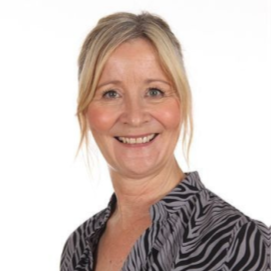
Director of Inclusion, Humber Education Trust
Berni Moorcroft is the Director of Inclusion for Humber Education Trust. She has worked in special education for over 35 years and is passionate in her desire to ensure the best provision for children and young people with learning difficulties. She was the Headteacher of Tweendykes School for 16 years and worked with the team to ensure that the needs of all pupils, however complex, were met, ensuring that the school gained outstanding Ofsted judgements on four consecutive occasions.
Berni works centrally for the trust, training staff to have the confidence to deliver curriculum models which meet the needs of pupils in both mainstream and specialist schools.
This session will be an opportunity for attendees to connect and network in an informal setting. Facilitated by an experienced trust leader, this time will be focused on distributed SEND leadership, and an exploration of strategies to implement accountability and ownership in your trust. Join this session for solution-focused conversations and be prepared to share your own practice with other colleagues. Speakers to be confirmed.
Director of Inclusion, River Learning Trust
Katherine Walsh is the Director of Inclusion for River Learning Trust. She is an experienced teacher and school leader and has led SEND provision in primary and secondary schools in England and America. Over the past ten years, Katherine has developed particular expertise in working with leadership teams to develop school-wide systems, establishing shared and inclusive visions for the education of children and young people with SEND. Katherine was a lead author on the Department for Education commissioned Whole School SEND Teacher Handbook: SEND.

Headteacher, New Marston Primary School, River Learning Trust
Rachel is Headteacher at New Marston Primary School, an RLT primary school for children aged two to 11 years old with a hearing resource base and SLCN enhanced provision. She is also a teacher development trust facilitator. Prior to her role as headteacher, Rachel was a special education needs coordinator. Rachel is passionate about making sure school is a positive experience for everyone in the community: all pupils, including pupils with SEND, families and staff.
This workshop provides two distinct inside looks: a headteacher’s journey in transforming a secondary resource base into the heart of a school, and the strategic leadership and quality assurance systems developed by a Trust Director of SEND. In this session, Amy explores the cultural shift required to ensure pupils access excellent, integrated provision that defines the school's identity rather than sitting on its periphery. Complementing this, Becky outlines how the trust’s use of steering groups and research-led working parties are establishing a shared understanding of purpose and principles across seven local authorities, aiming to provide a rigorous foundation for quality assurance processes.

Headteacher, GLF Schools
Amy Anderson is the Headteacher of Meridian High School (part of GLF Schools)- a mainstream secondary school based in New Addington, Croydon. Meridian High School is the 16th most deprived secondary school in England. Amy has led the school since 2020, and with her team, secured the school's first "Good" Ofsted judgement in 15 years in 2023. Amy is also a qualified SENDCO. Prior to her time at Meridian High School, Amy worked for Harris Federation as a senior leader focussing on school improvement, teaching and learning and professional development.
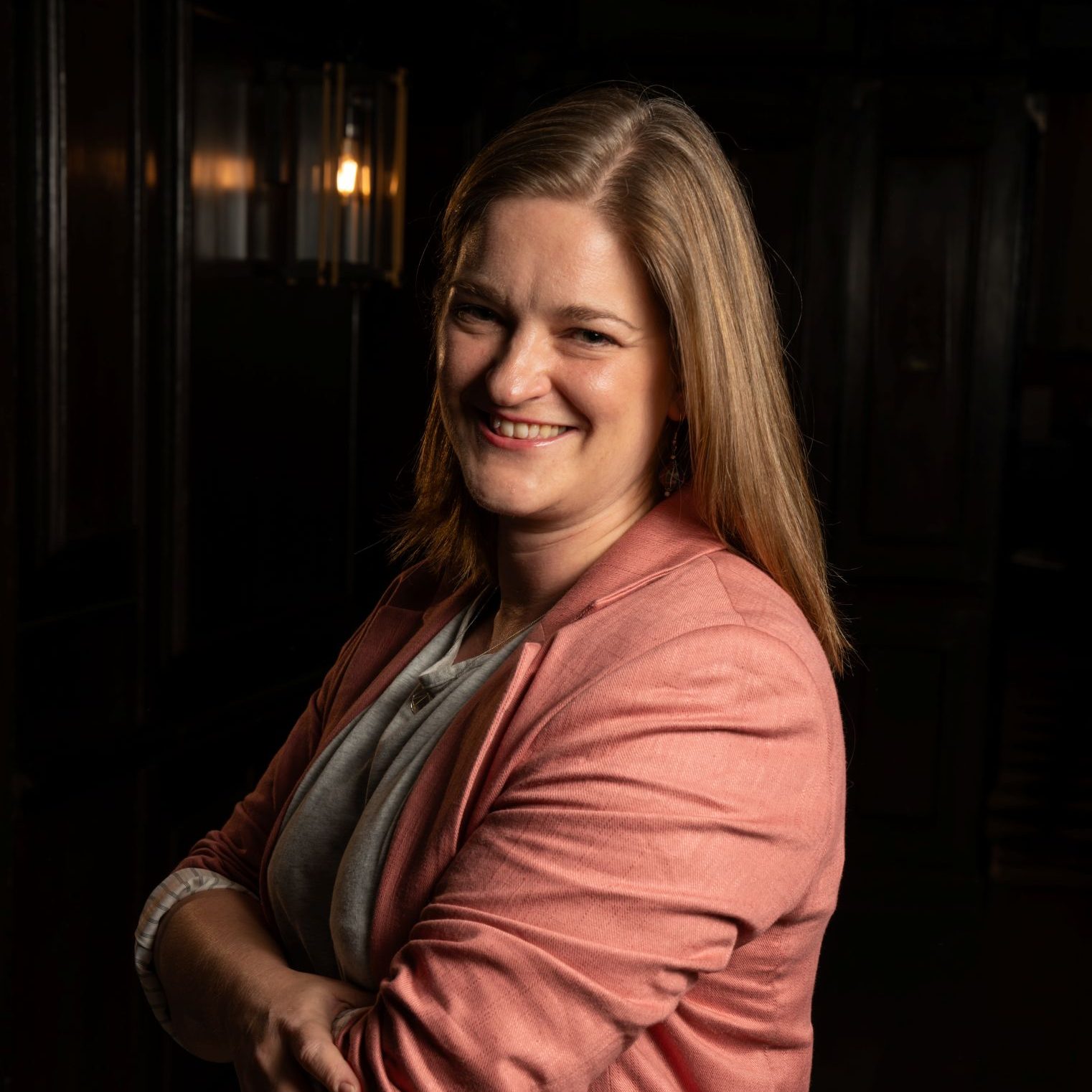
Director of SEND, Inclusion and Vulnerable Groups, GLF Schools
Becky Jones is Director of Inclusion for GLF Schools - a multi-academy trust of 43 mainstream primary and secondary schools in the south-east. Between September 2020 and March 2026, Becky was seconded to Whole School SEND as a regional lead, working with schools and local authorities across the south-east delivering the DfE's universal SEND services programme.
Prior to joining GLF in 2017, Becky was headteacher at TreeHouse School, a specialist school for autistic pupils aged 2-19 run by Ambitious about Autism. Becky is a qualified SENDCo, an SLE and holds a MSC in Psychology of Education and a PG Diploma in Applied Behaviour Analysis, and has a passion for multi-disciplinary working.
Director of Operations, Academy21
Alessandro began his teaching career as an English teacher, qualifying through the Teach First programme. Now an experienced education leader, Alessandro has a wealth of experience, having led as a headteacher and deputy headteacher across multiple areas of school life: inclusion, pastoral care, staff development and the curriculum.
Recently, Sandro served as Executive Headteacher of Academy21 for over two years, developing flexible, inspiring educational opportunities for online learners and leading the strategic direction of the school. Combining his past experience with a deep appreciation for the ways in which online alternative provision can support learners to thrive, Alessandro now oversees all Academy21 operations to build an inclusive education that prepares students for the environments that they will work and live in, and giving them the space and structure to develop not just as learners but individuals.