
Opening remarks from Leora Cruddas, Chief Executive, CST and Sherise Daly, EYFS Leader, Unity Schools Partnership, and Chair of CST's Early years professional community.
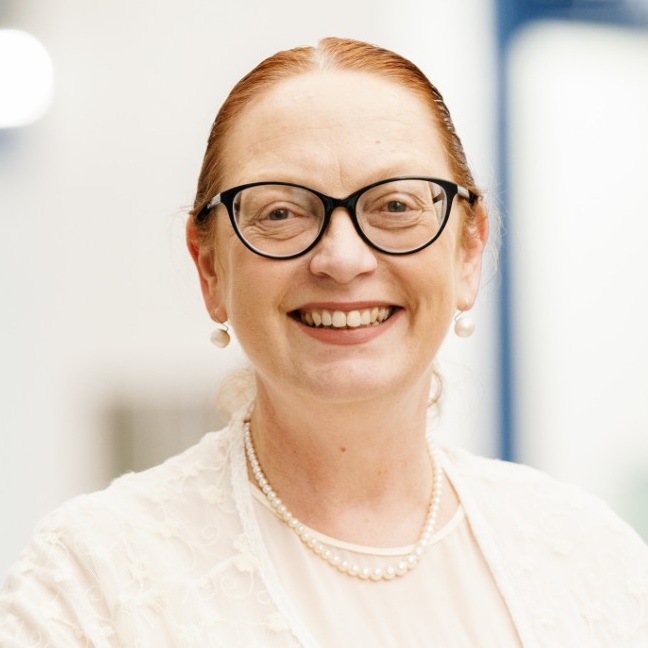
Chief Executive, CST
Leora Cruddas is the founding Chief Executive of the Confederation of School Trusts – the national organisation and sector body for school trusts in England. She has advised successive governments and sits on several Department for Education advisory bodies. She was recently the vice chair of the Head Teacher Standards Review Group, a member of the external advisory group for the Schools White Paper, SEND National Implementation Board and the Regulatory and Commissioning Review.
Prior to founding CST, she was Director of Policy and Public Relations for the Association of School and College Leaders. Leora has six years of experience as a director of education in two London local authorities. She is a visiting professor at UCL Institute of Education. Leora was made a CBE in the 2022 New Year’s Honours.
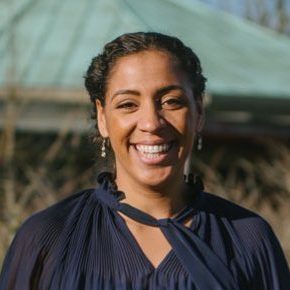
EYFS Leader, Unity Schools Partnership
Sherise Daly is the EYFS leader for Unity School Partnership Trust. Unity Schools Partnership is a family of secondary, primary, and special schools located in Suffolk, Essex, and Norfolk as well as Romford in East London. With 19 primary schools, nine of which have nurseries, along with the trust’s first private, voluntary and independent (PVI) nursery. Sherise has been leading change in the early years provision, implementing the new CUSP Early Foundations curriculum. Sherise was previously the head of school for a large primary school in Ipswich, but her passion and expertise in the foundation stage pulled her back into the early years. Sherise also works with PVI nurseries in Suffolk and Essex to support rapid improvement in their settings. Sherise has always been fascinated with child development, and when she trained as a teacher, she earned a specialist degree in early years education. With a three year old daughter, Sherise now more than ever understands how imperative the early years of a child’s life are.
As reading for pleasure becomes a national priority, how do we keep it rooted in joy, imagination, and genuine shared experience? Camilla shares her perspective on what captures young children’s attention, why one-to-one shared reading remains such a powerful early ritual, and how thoughtful book selection shapes children’s first encounters with stories. Drawing on her engagement with early years settings and practitioners, she reflects on the key challenges she has encountered, and the small, everyday moments that bring books to life in busy environments. Offering an energising and warmly child-centred start to the day, the session sets the tone for a programme focused on strong foundations and connection.
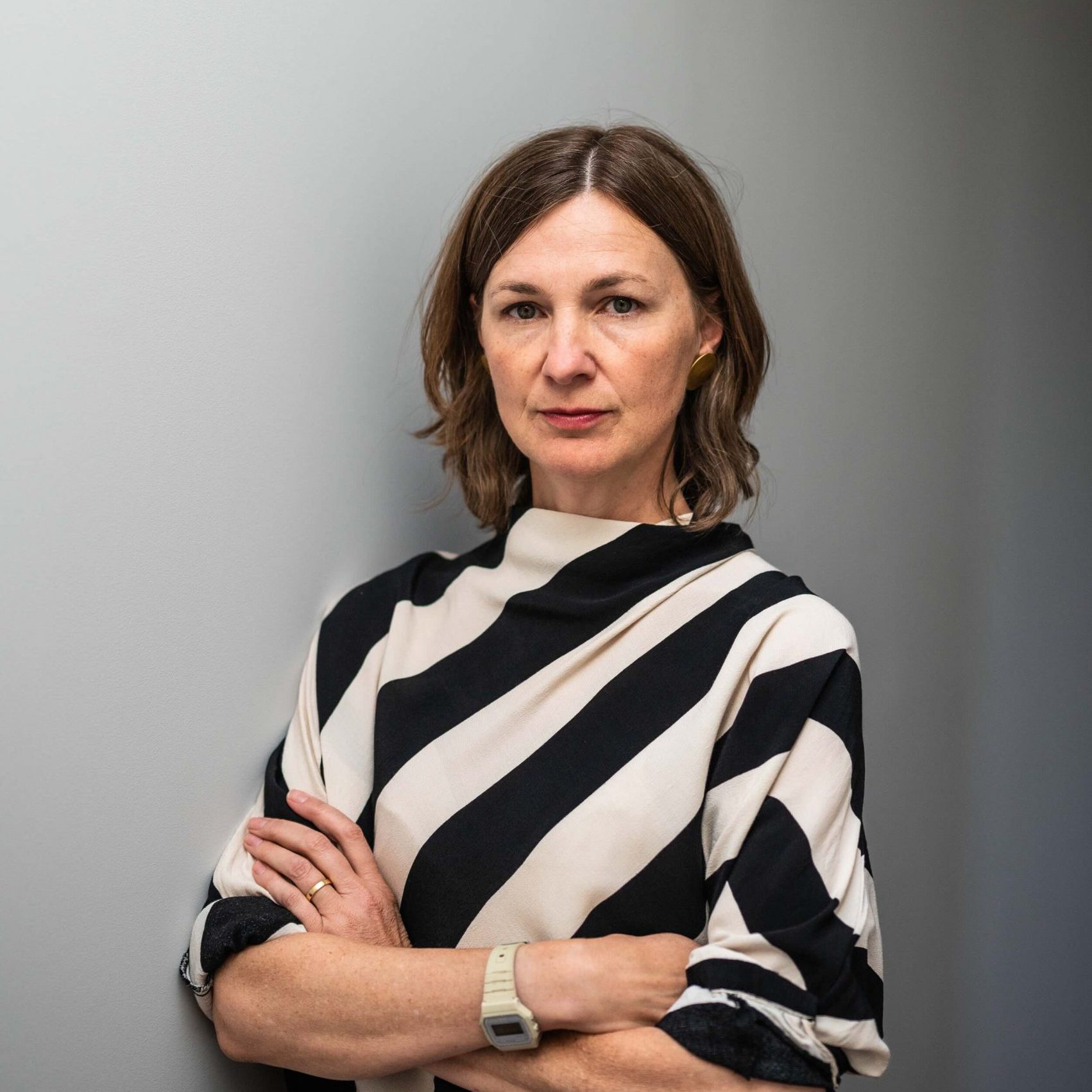
Bestselling Early Year's Author
Camilla Reid is one of the UK’s most successful early years authors, known for her engaging, family-friendly books, including the Pip and Posy stories, illustrated by Axel Scheffler, and the Peekaboo series, illustrated by Ingela Arrhenius. Camilla has written over 200 titles, with worldwide sales of over 40 million copies. As a passionate campaigner for early years reading, Camilla believes that the daily habit of sharing a book which entertains and inspires is key to the cognitive development and emotional security that are so essential for a child to thrive in school and beyond. She regularly speaks at events for early years experts, and recently appeared on the Cbeebies Parenting Download podcast. This year sees the publication of Camilla's new book I am Ready for School which is designed to prepare three to four year olds – and their parents – for starting reception.
This session explores what educators need to know about early child development and the foundations for learning, with a focus on neurodevelopment and school readiness. Drawing on the latest KindredSquared findings and resources, Felicity sets out the scale of the challenge and why early development matters for later outcomes. The panel brings a trust and school-level perspective, focusing on what this looks like in practice - from working with families and early years settings, to setting clear expectations and supporting staff to have confident conversations. Through real examples, they will share what is and isn't working, where challenges persist, and how schools are responding to the growing gap between responsibility and readiness.

Chief Executive, Kindred Squared
Felicity Gillespie is the Chief Executive of Kindred2, a private foundation focused on improving the quality of early childhood development. She is currently a member of the independent expert panel advising Sir David Bell’s Review of Early Years, commissioned by the Labour Party.
Felicity has been an Advisor to the UK Department for Education since 2011 and the lead specialist Academy Governance Advisor for six years. A board member of Ofsted, previous roles include establishing the Broadcast Training and Skills Regulator and The National Teaching Awards. As the education and training advisor at the Confederation of British Industry, she represented the UK on EU education and training programme boards.
A former Associate of the Prime Minister’s Delivery Unit and of the National College of School Leadership, Felicity has served as a national judge of the UK National Training Awards on many occasions and speaks on the British education system at conferences and seminars in the USA, Middle East and UK.
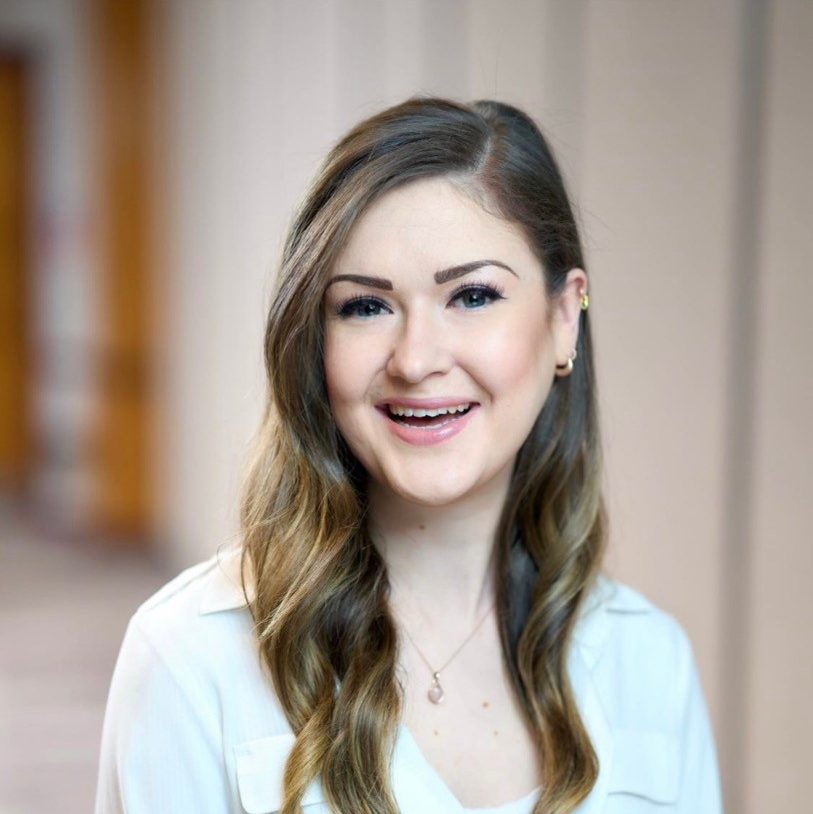
National Director of Early Years and Early Reading, e-ACT
Clío Brown is the National Director of Early Years and Early Reading for E-ACT. Having worked in the education sector for 14 years she has held a variety of roles from teaching positions to EYFS lead, assistant headteacher, DSL and lead practitioner for another large school trust. Clío contributes to Tes on early years and SEND issues and is a regular conference speaker. Clio is passionate about raising the profile of the vitality of the early years and is on the Board of Trustees at Early Education.

Assistant Headteacher & EYFS Lead, Orwell Multi Academy Trust
Grace Glanvill is the Assistant Headteacher and Early Years Lead at Brooklands Primary School - an expanding Primary School on the Essex/ Suffolk border. Her team received an Ofsted ‘Outstanding’ grading and often hosts many CPD days at her school to share her practice. She has a passion for giving children the best experience possible in their first year of school. Her favourite parts of the role are getting to know each child and family individually and seeing their progress across the year.
A short address from Mercy Huessy, Research Lead, Community Playthings.
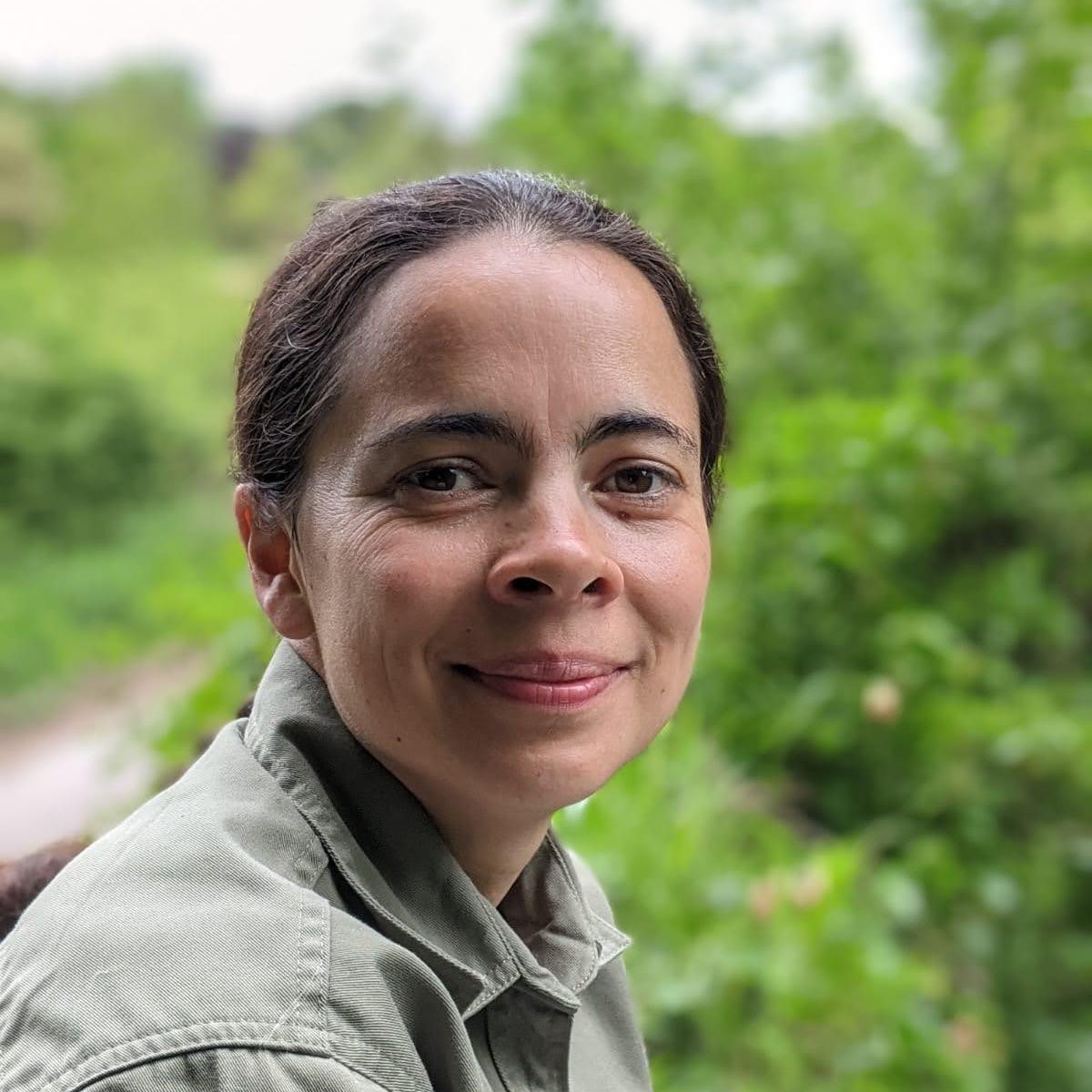
Research Lead, Community Playthings
Mercy Huessy is Research Lead at Community Playthings, working with schools and nurseries to deliver research inspired play and learning environments across the UK. Mercy began her career in healthcare, specialising in maternity services and has practiced in Haiti, Cuba and New York. In Paraguay, South America, she expanded this to early years, co-founding a bilingual Montessori inspired nursery with an adjacent school teaching English as a second language. More recently, Mercy has worked as a Mental Health Nurse in both inpatient and community NHS services. This background in health, education and caring for the vulnerable informs her current post, which informs the inclusive, evidence based design of Community Playthings products.
Childhood is changing rapidly and rising rates of SEND signal that many young children are struggling to cope with modern environments. This presentation outlines how brain systems develop through our early interactions with our environments. Early on, children learn best from slow-paced, predictable interactions. Yet modern environments and screen media often overload them with fast, unpredictable stimulation, driving stress-related brainstem activation and contributing to dysregulated behaviour. In this session, we discuss how we can increase predictability and reduce unnecessary cognitive load, to lay strong and stable learning foundations for all children—especially those most vulnerable.

Institute for the Science of Early Years (University of East London), and Co-Author ‘Take Action on Distraction’
Professor Sam Wass is a child psychologist and neuroscientist who studied at Oxford, London, and Cambridge. He leads the Institute for the Science of Early Years in East London, which is one of the most demographically diverse areas of the world, and a major focus of their research is to explore how early living environments influence early attention, learning and stress. He studies typical and atypical development, including ADHD, autism, and anxiety, and collaborates on international projects studying early development. Sam has published over 100 academic articles and a book, and is one of the top two percent most-cited researchers in his field. He frequently appears in the media as an expert in child development, advising the UK Departments of Education and Health, charities like Save The Children, and brands such as Kinder, LEGO and Disney+. He was an on-screen scientist in five series of Channel 4’s award-winning The Secret Life of 4- and 5-Year-Olds.
Molly and Madeleine share insights from their ongoing action research across schools, focusing on effective approaches to handwriting development. They present practical, evidence-based strategies for inclusive teaching, and consider the implications of the recently published DfE framework on transcription and composition in Reception. Attendees will leave with practical ideas to enhance classroom practice through research-informed strategies towards confident, fluent writers in the early years.
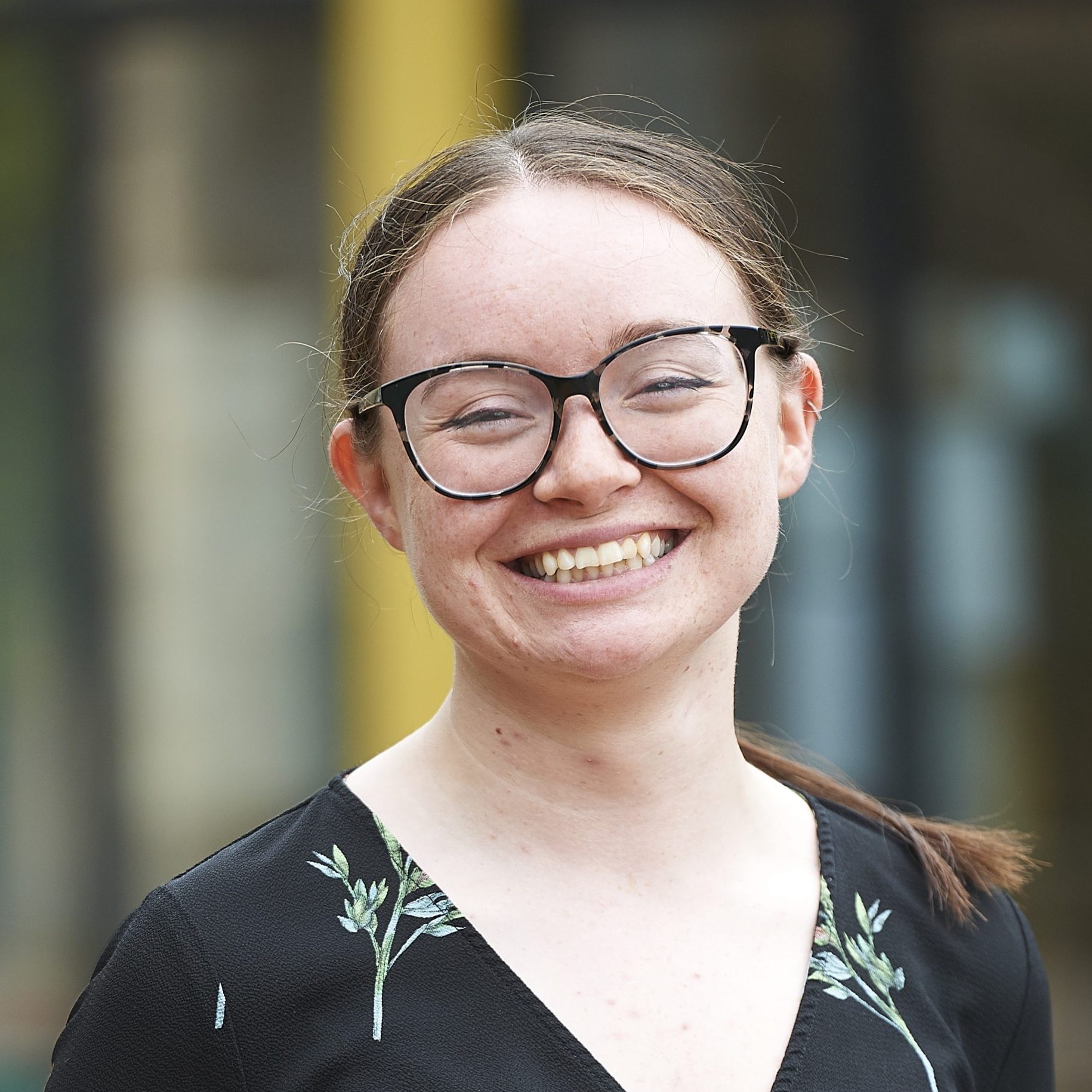
Director of Early Years, Ark Schools
Molly is Director of Early Years at Ark Start, leading on curriculum, teaching and learning and assessment across all Ark Start nurseries and the Ark primary schools in Birmingham, Portsmouth, Hastings and London. Prior to this, Molly has worked in various roles as a senior leader in schools specialising in early years and early reading
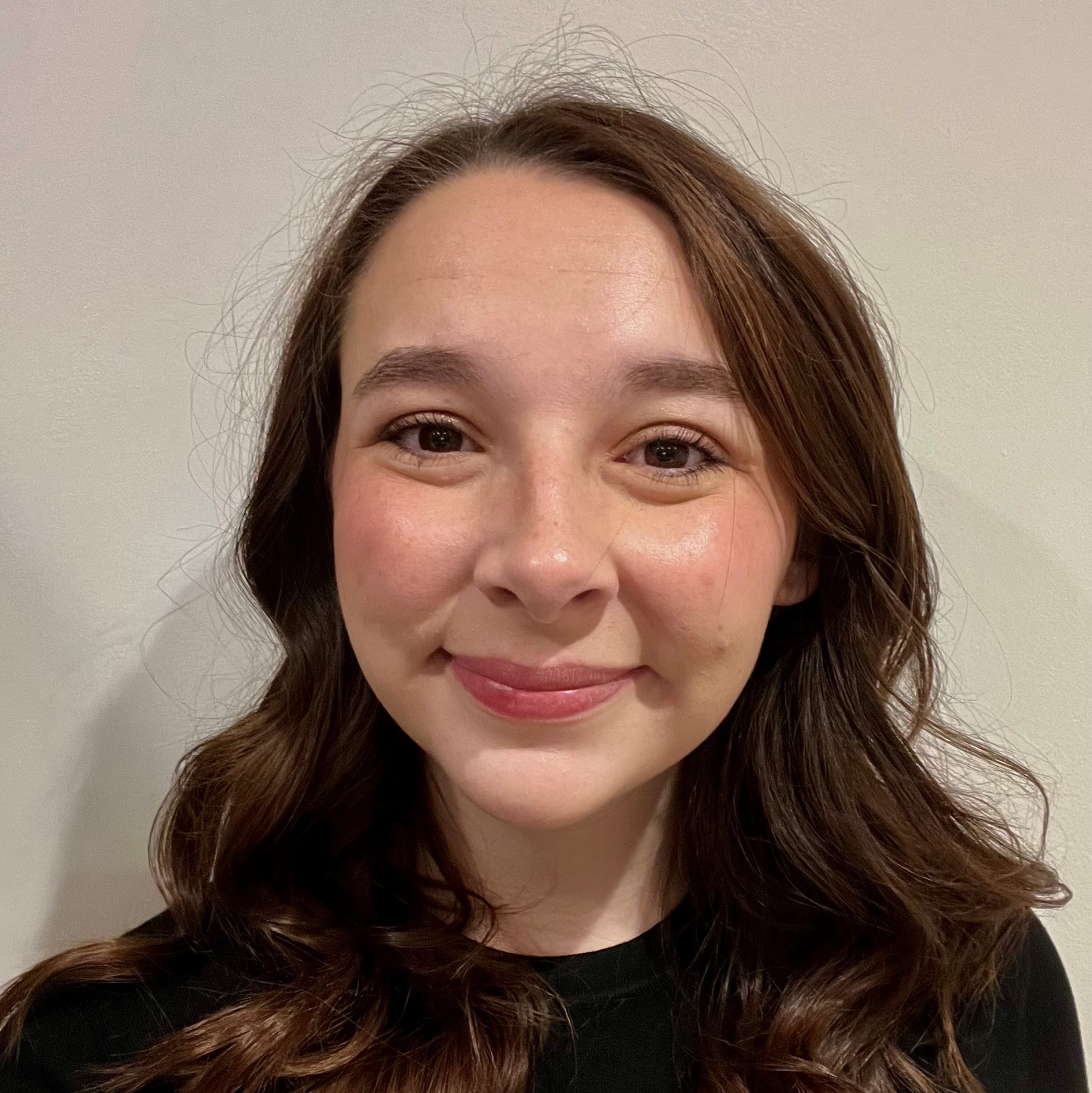
Network Lead for Primary English, Ark Schools
Madeleine is the Network Lead for Primary English for Ark Schools, a school trust with 39 schools in Birmingham, Hastings, London and Portsmouth. She leads all things English across the 23 primary schools and is currently spearheading a three-year strategy to improve writing across the network. She is a member of the Oak National Academy English Subject Expert Panel, reviews KS1 reading papers, is on the text selection team for the Reading Teachers = Reading Pupils project for Cheltenham Festivals and a judge for the Spark! School Book awards. She sits on the editorial board of the UKLA, English Association and NATE’s English 4-11 Magazine which shares research-based examples of English pedagogy and practice in primary classrooms. Most recently, she was part of the review group for the DfE Writing Framework (2025).
A keynote address from Susie Owen, Director of Early Years, Childcare, Families and Analysis, Department for Education.
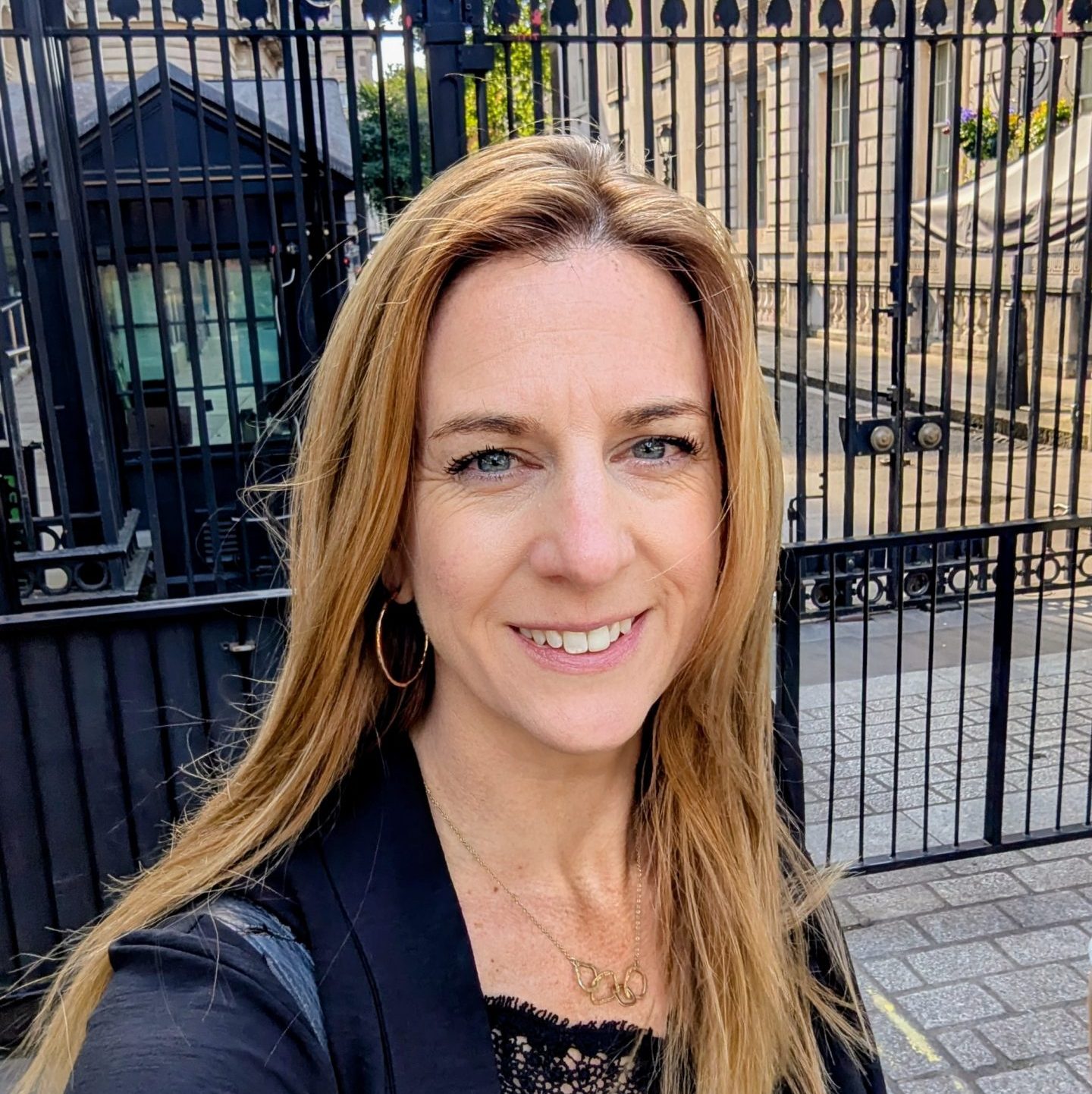
Director of Early Years, Childcare and Families, Department of Education
Susie Owen is Director of Early Years at the Department for Education. Susie has worked on early years and childcare policy since 2016, including as SRO for the recent childcare expansion. In her current role, she oversees the delivery of the Best Start in Life Strategy, including the Best Start Family Hub expansion to all Local Authorities and the work to improve teaching practice in reception. Alongside this role, Susie is a Trustee with Ivy Learning Trust and as also worked in various roles in the Cabinet Office, most recently as Director in the COVID-19 Taskforce.
A short address from Sian Marsh, Director of Early Years and Education, Best Practice Network.
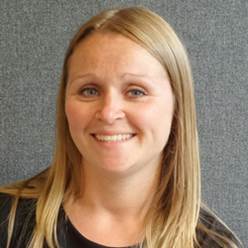
Director of Early Years and Education, Best Practice Network
Sian has specialised in early years education for over 20 years. She is experienced in developing blended programmes at all levels from apprenticeships through to initial teacher training. She currently manages teams delivering national training programmes in early years as well as primary and secondary ITT. She is Best Practice Network's lead on the current DfE-funded Level 3 Early Years SENCO programme.
Sian represented BPN on a UK government-sponsored CPD mission in China as an EY specialist and sits on the DfE’s Expert Advisory Groups for the Early Years. She is a Designated Safeguarding officer for Best Practice Network. Sian is the SEN and Early Years Governor at a large school trust in North Yorkshire.
This session explores the targeted interventions, whole-school approaches, and mindset shifts that have driven measurable improvements in Reception attendance. Attendees will take away strategic insights and practical examples to support early engagement with families and nurseries, to build positive habits from the very start.
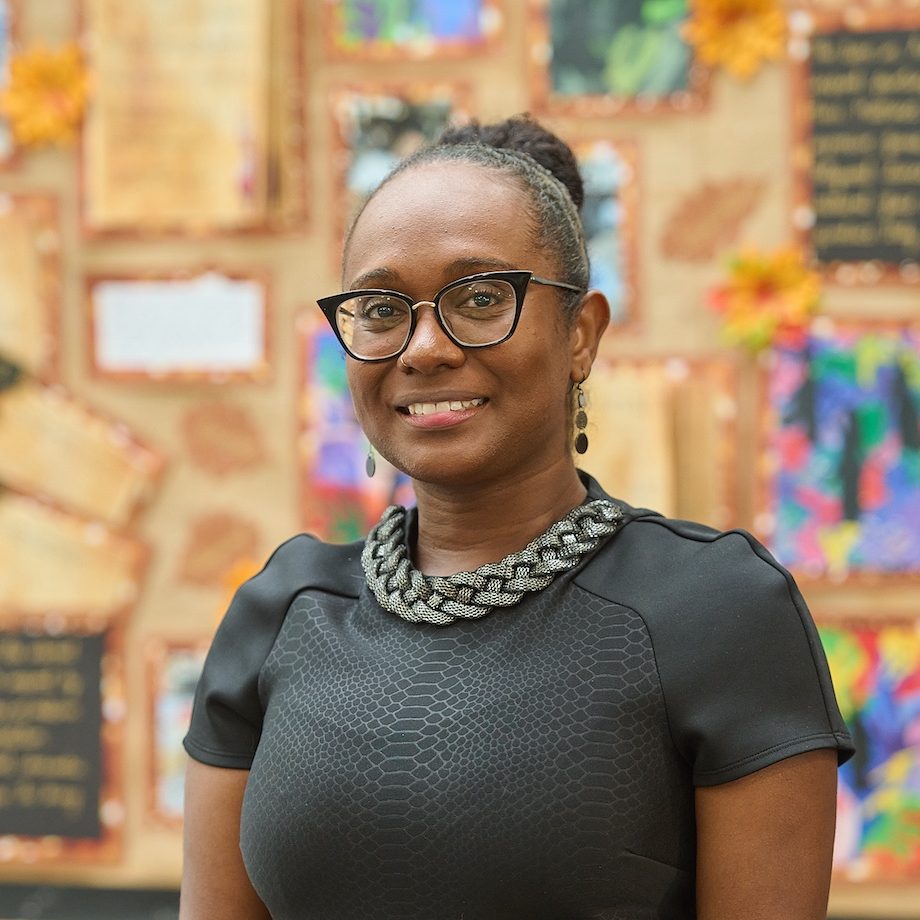
Executive Headteacher, Forest Academy, Inspire Partnership Trust, and DfE Attendance & Behaviour Hub Lead
Swabra is the Headteacher of Forest Academy, part of the Inspire Partnership Trust, and brings over 15 years’ experience across education sectors. She holds a Master’s degree in Leadership from UCL and is a founding member of the Chartered College of Teaching. Her leadership is rooted in a belief that strong early years provision lays the foundations for lifelong outcomes. She is committed to diversity, equity and inclusion, ensuring that no child’s socio-economic background limits their early development or future potential. Swabra is passionate about raising aspirations and creating environments where children thrive from the very start of their education. She has led a DfE Attendance Hub and now leads Forest Academy’s DfE RISE Attendance and Behaviour Hub. She has contributed to the DfE Attendance Toolkit and presented at DfE Reception–Year conferences, supporting national efforts to improve early attendance, engagement and readiness for learning.
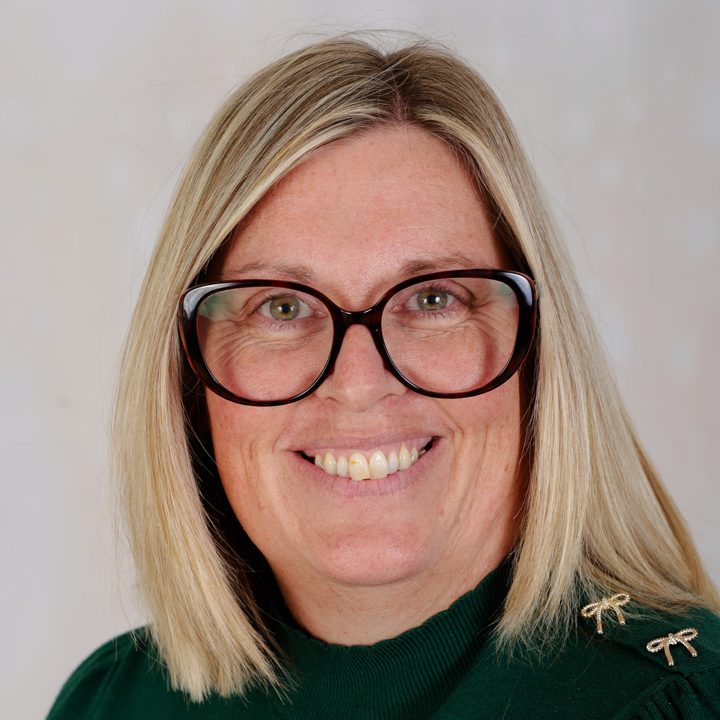
Headteacher, Designated Safeguarding Lead, Highfield Nursery School and Children’s Centre, and East of England Early Years’ Stronger Practice Hub Lead
Ruth Coleman is the Headteacher of Highfield Nursery School in Ipswich and the Strategic Lead for the East of England Early Years Stronger Practice Hub. A committed advocate for high quality early education, she is known for using evidence informed practice to strengthen outcomes for young children and the professionals who support them. Her work extends across the region, where she guides settings in developing confident, research engaged teams and sustainable models of improvement. Ruth is also the developer of the Highfield Resilience Tracker, a practical tool designed to help practitioners understand and nurture children’s emotional resilience. The tracker won the Let Teachers Shine Award in 2025.
EYFS Leader, Unity Schools Partnership
Sherise Daly is the EYFS leader for Unity School Partnership Trust. Unity Schools Partnership is a family of secondary, primary, and special schools located in Suffolk, Essex, and Norfolk as well as Romford in East London. With 19 primary schools, nine of which have nurseries, along with the trust’s first private, voluntary and independent (PVI) nursery. Sherise has been leading change in the early years provision, implementing the new CUSP Early Foundations curriculum. Sherise was previously the head of school for a large primary school in Ipswich, but her passion and expertise in the foundation stage pulled her back into the early years. Sherise also works with PVI nurseries in Suffolk and Essex to support rapid improvement in their settings. Sherise has always been fascinated with child development, and when she trained as a teacher, she earned a specialist degree in early years education. With a three year old daughter, Sherise now more than ever understands how imperative the early years of a child’s life are.
How do we build local partnerships that genuinely shift outcomes for children in the early years? And what is the role of schools and early years settings in making these partnerships work? This session explores how place-based approaches can strengthen early identification, join up support across health, education and early help, and reduce the barriers that prevent families from accessing what they need. We look beyond traditional notions of “parental engagement” to understand how multi-agency relationships, shared priorities, and community-level collaboration can create the conditions for children to thrive from birth to five. This session focuses on what is practical, realistic and doable in typical settings. Attendees will take away a clearer understanding of their role within local partnerships, examples of what works, and actionable steps to strengthen collaboration in their own communities.

Managing Director, The Reach Foundation
Ed is the Managing Director of the Reach Foundation. He was the Founding Headteacher of Reach Academy Feltham and developed a Cradle to Career model around the school in Feltham. Now, the Reach Foundation supports more than 70 clusters of schools around the country to take a Cradle to Career approach.
The Reach Foundation developed a model of support in the first 1,001 days and were commissioned by Hounslow Borough to deliver the Start for Life offer for the Family Hub service and have also developed a Foundation Degree in Early Years to support the local workforce.
Early Education Lead, Maritime Academy Trust
Sarah Ryan is Early Education Lead for Maritime Academy Trust and Deputy Headteacher of a large primary school in Medway. A key focus in all her work is getting it right for all children to ensure they thrive as they progress through education., closing gaps from early on.
As part of this drive she is programme lead for strong foundations (0 to three years) within Maritimes Children Foundation, working collaboratively across systems to support families and children be ready for nursery and school.
Director, Institute for the Early Years, and Head of Partnerships, Bradford Birth to19
Rebecca has worked in Early Years for over 30 years. She has held leadership roles in both the charitable and private sectors, in the UK and internationally. Her passions for early childhood alongside the value of play and informal learning for all ages has led to her sitting on a number of voluntary advisory boards.