Welcome remarks by Steve Rollett, Deputy Chief Executive, CST, and Chair of CST’s School improvement professional community.

Deputy Chief Executive, CST
Steve Rollett is Deputy Chief Executive of the Confederation of School Trusts (CST), the national organisation and sector body for school trusts in England. Before joining CST, he was Curriculum and Inspection Specialist for the Association of School and College Leaders. Steve has sat on a range of advisory bodies, including Ofsted’s curriculum advisory group. Most recently he has supported Oak National Academy and the Department for Education’s remote learning advisory group. Originally trained as a history teacher, Steve was a vice principal of one of England’s most improved secondary schools before moving into a career in education policy.
Curriculum reform is often dominated by political debate and high-level statements about knowledge, skills and quality. Yet what ultimately matters is the curriculum that is written, taught and assessed in classrooms. Drawing on Learning First’s work with education systems internationally, this keynote will explore what effective curriculum reform looks like in practice. It will focus on the processes required to design high-quality curricula and ensure consistent implementation across schools, highlighting the key challenges and opportunities for trust leaders leading reform in England.
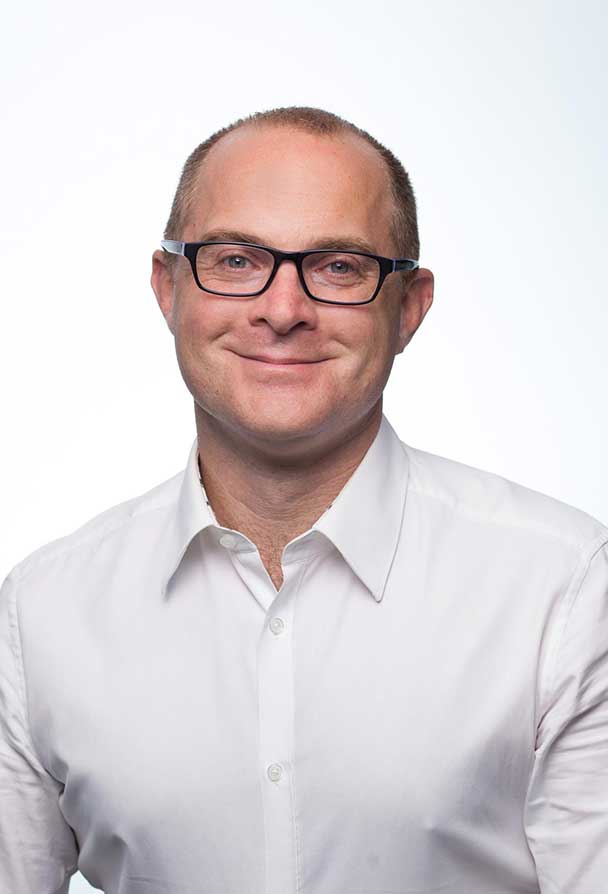
CEO, Learning First
Ben has advised governments in Australia, North America, Europe, the Middle East and Asia on education strategy and reform. Before founding Learning First in 2014, he was director of the Grattan Institute’s School Education Program. He also worked with numerous education systems across the world during five years at the OECD, where he conducted research on education policy and school and teacher effectiveness.
Artificial intelligence is beginning to reshape assessment practice, creating both opportunities and challenges for schools and trusts. While AI has the potential to reduce workload and support more efficient assessment and feedback, it also raises important questions about reliability, professional practice and student learning. Drawing on research from No More Marking’s work with over 1,000 schools in England, Daisy Christodoulou will examine what current evidence shows about the role AI can play in assessment, and the implications for trusts and the wider school system.
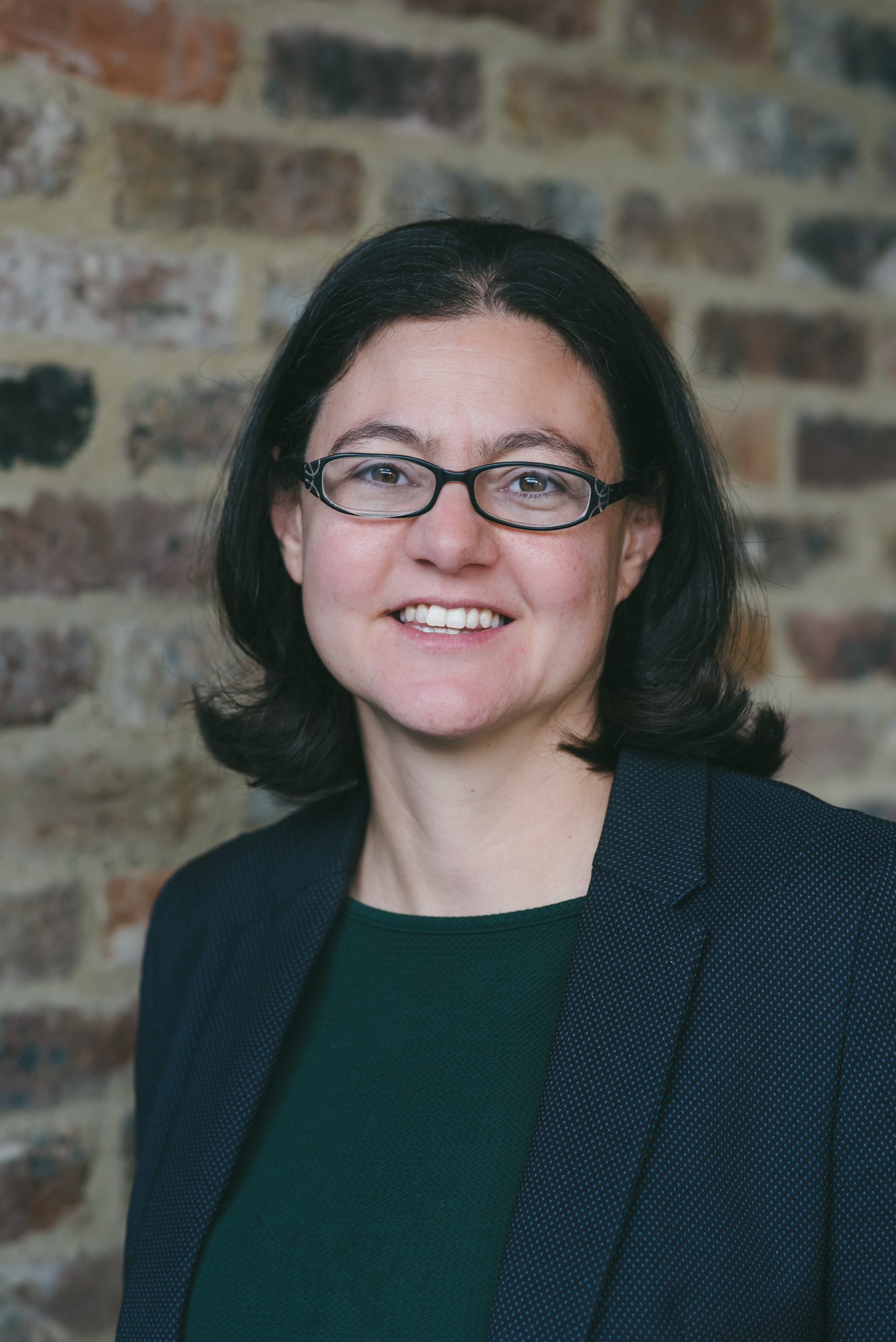
Director of Education, No More Marking
Daisy Christodoulou is Director of Education at No More Marking, a provider of online comparative judgement assessments. She works closely with schools in the UK, Australia and USA on developing new approaches to assessment, and on applications of artificial intelligence in the classroom.
Before that, she was Head of Assessment at Ark Schools, a network of academy schools. She has taught English in two London comprehensives and has been part of UK government commissions on the future of teacher training and assessment.
Daisy is the author of three books about education: Seven Myths about Education (2013), Making Good Progress? The future of Assessment for Learning (2017), and Teachers vs Tech (2020).
A short address by Liz Shapland Education Services Director (Secondary, Special and AP) and Education Development and Partnership Lead, HFL Education.

Education Development and Partnership Lead, HFL Education
Penny Slater, Education Development and Partnership Lead has been a member of the HFL team since the beginning. Prior to joining HFL, Penny worked in a number of schools undertaking a variety of roles, culminating in her position as deputy head teacher at one of the UK’s highest performing primary schools. In her role as English Adviser HFL, Penny pioneered our work on reading fluency with the ambition that all pupils are empowered to become fluent readers who find joy in books. In 2023, Penny was awarded Nate’s Primary Award for her work in this area.
As Education Development and Partnership Lead, Penny now supports the work we do with trusts.
Education Services Director (Secondary, Special and AP), HFL Education
Liz, Director of Education Services (Secondary, Special and AP), leads the secondary and special and alternative provision teams. Previously Deputy Director of Education Services (Secondary) she has over 25 years’ experience of teaching and school leadership. Having worked as an adviser and school improvement partner for HFL since inception, Liz has huge experience of driving and supporting positive change with leaders and driving key strategic educational programmes and partnerships.
How can we realistically enact stewardship at scale? Danielle Lewis-Egonu will share her experience of engaging with the practical realities of human-centred stewardship. Through focusing on trust-wide culture and belonging, and supported by concrete examples and research, this session will offer guidance to those seeking alignment and coherence at the heart of school improvement.
CEO, Cygnus Academies Trust
Danielle Lewis-Egonu is the CEO of Cygnus Academies Trust. She has worked in school improvement and leadership development for over 20 years, supporting schools, leaders and local authorities. She is a published author writing about education and leadership and has recently co-authored a chapter in Outstanding School Leadership published by Bloomsbury Education. The book highlights the positive impact of leaders across the UK and globally.
A short address from our lunch sponsor, Smartgrade.

Managing Director, Smartgrade
Joshua Perry is the co-founder of Smartgrade, an assessment standardisation platform that specialises in supporting school trusts with assessment across their trust. Joshua is also co-founder of Carousel, a retrieval practice platform and school CPD provider, and was previously part of the leadership team of Ark Schools.
As trusts continue to steward SEND reform as a core element of school improvement, this keynote will introduce Ambition’s new Inclusive Teaching Framework. Developed to support educators in understanding the diverse ways children think, feel and develop, the framework has been rigorously evidenced and draws on insights from developmental psychology, speech and language, occupational therapy and physical development, building on teachers’ existing expertise in great teaching. Anne Heavey and Dr Neil Gilbride will explore how the framework can support trusts to better understand, anticipate and adapt to a broader range of pupils’ needs.

Director of Impact, Ambition Institute

Associate Dean, Ambition Institute
Dr Neil Gilbride CPsychol is Associate Dean at Ambition institute, and is a subject matter expert on SEND, inclusion, and leadership.
He is also an Honorary Senior Research Fellow at the University of Worcester . As a Chartered Psychologist, he applies the principles of psychology to leadership, learning and organisational behaviour. Neil's research explores the intersection of complexity theory and adult psychology to ask how we can better understand decision making within complex and wicked problems at strategic levels of responsibility. He is also an Associate Dean with Ambition Institute and advisor to the DfE NPQ framework review.
Deputy Chief Executive, CST
Steve Rollett is Deputy Chief Executive of the Confederation of School Trusts (CST), the national organisation and sector body for school trusts in England. Before joining CST, he was Curriculum and Inspection Specialist for the Association of School and College Leaders. Steve has sat on a range of advisory bodies, including Ofsted’s curriculum advisory group. Most recently he has supported Oak National Academy and the Department for Education’s remote learning advisory group. Originally trained as a history teacher, Steve was a vice principal of one of England’s most improved secondary schools before moving into a career in education policy.
This workshop explores how high-quality, subject-specific professional development turns curriculum principles into classroom practice. Drawing on the idea that teacher learning mirrors student learning, we examine how carefully sequenced, subject-specific PD strengthens curriculum coherence, depth and inclusivity. The session will provide insights for how rehearsal, feedback and iterative development build the expertise needed to interpret and enact curriculum with precision.

Executive School Improvement Lead, Windsor Academy Trust
Kat Howard is Executive School Improvement Lead at Windsor Academy Trust, working with schools across the West Midlands region and leading curriculum and assessment across the trust.
Previously, she was a director for a large school trust Teaching School Hub serving over 200 schools across the north and north east Lincolnshire region. She is a writer, speaker and in previous roles, a senior leader and subject lead in secondary schools, as well as an English specialist.
Prior to her career in education, Kat gained extensive experience in the financial sector, overseeing recruitment, training and operations for a leading high street bank flagship project across the North West. In addition to her in-school role, Kat was an Expert Advisor for Teacher Development Trust, writing curriculum content for the Reformed NPQ Leadership Suite. Kat is also a council member at the Chartered College of Teaching and a Trustee for Education Support.

Executive Director, Steplab
Claire is an Executive Director at Steplab, having previously led schools and trust-wide school improvement. Claire is the co-author of Symbiosis: the Curriculum and the Classroom and is Standards Officer for the charity LitdriveUK, a subject association that provides PD and resources for English teachers.
Two years ago, our schools faced inconsistent outcomes and fragmented learning. We chose bold action: implementing a trust-wide, “bookletised” curriculum designed to guarantee every child access to a high-quality education. This presentation shares our journey, the challenges we overcame, and the tangible impact on teachers, students, and school performance - demonstrating that curriculum coherence is one of the most powerful tools we have for social justice.
Senior School Improvement Lead, The Roseland Multi-Academy Trust
Craig Follett is the Senior School Improvement Lead at Roseland Multi Academy Trust, where he has driven rapid strategic improvement to secure 100% ‘Good’ or ‘Outstanding’ Ofsted judgments across a portfolio of previously inadequate sponsored and re-brokered schools.
He acts as a practising Ofsted Peer Inspector and School Improvement Adviser, bringing extensive quality assurance expertise from his previous roles as a PiXL Associate and Challenge Partner Reviewer. Additionally, he serves as an NPQEL Facilitator, training the next generation of executive leaders.
Prior to his current role, Craig was a Head of School within the Greenshaw Learning Trust and is a graduate of the Reach Foundation Trust 100 cohort.
How do trusts move beyond short-term improvement to sustain strong outcomes over time, particularly as organisations grow and contexts diversify? Drawing on trust-wide practice, this session explores how senior leaders deliberately design coherence across strategy, leadership behaviours, teaching, inclusion and the early years so that moral purpose becomes lived reality. Through concrete examples from SEND, EYFS, teaching quality, leadership development, alongside longitudinal impact evidence, the session will examine how clarity, shared language and disciplined priorities enable improvement to be embedded and sustained.

Executive Director of Primary, STEP Academy Trust
John is originally from Liverpool and spent his secondary years on the Isle of Man, giving him experience of both urban and rural education. His teaching career began in 2001 in a middle school in Settle, North Yorkshire, before moving to London in 2003, where he has remained.
During his time in London, John has held senior roles including SENCo, inclusion leader and deputy headteacher, and has been headteacher in three schools across Newham, Barking and Dagenham, and Croydon and Sutton. He is now Executive Director of Primary at STEP Academy Trust.
John’s work has consistently focused on serving communities facing high levels of deprivation, with a clear moral purpose to raise aspirations and improve outcomes for children. Since joining STEP, he has been recognised as a National Leader of Education and now leads trust wide leadership development and the strategic oversight of SEND, including training, coaching and talent mapping.
Inclusion in mainstream settings remains one of the most urgent priorities for contemporary education. This session explores how leaders and teachers can redefine inclusion with ambition and clarity, challenge low expectations, and implement an evidence-informed improvement model that drives coherence, consistency and excellence. Participants will explore a working model that ensures every learner is supported through high-quality teaching, scalable trust systems and school level approaches, making inclusion real, sustainable, and impactful for staff and pupils.
Chief Education Officer, The Rivers C. of E. Academy Trust
Julie Hiddleston is Chief Education Officer at Rivers C of E Multi-Academy Trust, leading the trust’s education strategy and school improvement work. She is committed to securing strong outcomes through clear vision, disciplined implementation and collaboration across schools.
Previously, Julie was Primary Director at GLF Schools, having begun her trust leadership journey as an executive headteacher of five outstanding primary schools. Her career has centred on building high-performing teams and developing leaders who deliver sustained improvement.
Julie is passionate about creating opportunity for social mobility through a genuinely inclusive education that never compromises on high expectations. She believes that “all pupils means ALL pupils” - and that equity and excellence must go hand in hand.

Head of Teaching and Learning, The Rivers C. of E. Academy Trust
Ella Atkinson is Head of Teaching and Learning at a large primary academy trust in the Midlands. Previously, she served as Deputy Headteacher with a focus on teaching and learning. She has worked closely with Maths Hubs and holds both the Local Leader of Mathematics Education (LLME) and Professional Development Lead qualifications.
While her passion began in primary mathematics, her work now centres on improving pedagogy across all subjects, with a particular commitment to supporting vulnerable learners. She designed the Rivers Teaching Toolkit, a practical, evidence-informed framework that supports planning, classroom delivery and assessment. Drawing on research from cognitive science and effective pedagogy, the toolkit provides teachers with clear, purposeful strategies to use at the right time.
Ella currently leads an ambitious CPL model for teachers and senior leaders, informed by Teacher Research Group and lesson study approaches, to drive sustained school improvement.
This workshop introduces the Dixons Circles operating system, a high-value, low-bureaucracy approach to delivering strategic priorities through expertise-led collaboration. Participants will explore how big-move, standing and transformation circles operate, how decisions flow through clear cycles of delivery and review, and how circle leads ensure accountability. Through practical examples, the session will examine how radical transparency and healthy professional relationships enable faster problem-solving, stronger cross-trust alignment and more disciplined execution of the work that matters most.

School and College Trust Leader, Dixons Academies Trust
Robyn Ellis joined Dixons Academies Trust in March 2022, to lead on Dixons OpenSource, onsite, insight and external partnerships. Robyn now looks after communications, projects and the office of the school and college trust leaders.
Prior to working at Dixons, Robyn was the global head of leadership development and manager enablement for Booking.com, a leading digital travel company. She has held a number of roles in change, communications, programme management, strategy, talent development and leadership.
Robyn started her career in education, consistently working with leaders in schools in the most challenged areas and is deeply committed to our mission of challenging educational and social disadvantage in the north of England.
We stand at a crucial time of reform in England, navigating the Curriculum and Assessment Review, the rise of AI, and urgent priorities in inclusion and school culture. In this shifting landscape, building deep collective expertise in teaching is the number one priority, and it cannot be piecemeal. Professional development that is disconnected from strategic priorities and individual needs wastes time, money and good will. In this talk, Stuart, Jablai, and Ben will map the CST’s Implementing Improvement strand against state-of-the-art research, as well as the updated inspection requirements for sustained, coherent and evidence-based professional learning that builds expertise. In doing so, they will share insights about how staff can curate clear, evidence-based goals and actions to ensure that every hour of PD builds pedagogical expertise where it really matters.

Director of Education, Evidence Based Education
Stuart is Director of Education at Evidence Based Education, and one of the team behind the great teaching toolkit - the personalised professional growth platform to help teachers flourish. He is a qualified teacher himself, who has worked in both middle and senior leadership roles in schools. Currently, Stuart serves on the advisory boards of lernen: digital (a German teacher development project) and Impact. He is a co-author of the EEF's Implementation Guide, as well as the EEF's DIY evaluation guide, and EBE's 'great teaching toolkit: evidence review'. He is fascinated by finding sustainable ways to help teachers flourish and belong in their professional lives.

Director of Curriculum and Pedagogy, Paradigm Trust
Before becoming a physics teacher, Ben taught English as a Foreign Language in Berlin; his interest in literacy stems from this time. He taught secondary physics for 18 years in Ghana, London and East Anglia. In 2013, Ben became a primary school teacher and leader. He is currently the Director of Curriculum and Pedagogy at Paradigm Trust. He has served on Ofsted's Science Advisory group and on the steering panel of the EEF's Primary Science Report. He is the author of The Big Ideas in Physics and How to Teach Them and co-author of Primary Science in a Nutshell with Leigh Hoath.

Headteacher, Robin Hood Multi Academy Trust
Jablai Saleh is a forward-thinking educational leader committed to innovation and sustainable school improvement. She leads with strategic intent, driving meaningful change and embracing opportunities that positively impact pupils, staff and the wider community. Her professional interests include pedagogy, educational technology, curriculum design and research that challenges and extends my thinking. Her current research and work includes screening pupils in EYFS and key stage one for working memory. Jablai is the Headteacher of a three-form entry primary school serving a community with high levels of deprivation. Alongside this role, she supports the wider sector as an NPQH coach (with the NIOT) and is a Local Authority writing moderator.
Representing voices from across the sector, the Curriculum and Assessment Leads Network (CALN) has recently published a collaborative think-piece in collaboration with CST to outline the opportunities and challenges that lie ahead in responding to the CAR. This session will explore the three tenets of our collective response: Be measured, Lean into the evidence, Collaboration is key. Never before has it been more important to work in partnership with those around us. This session will be a chance to share some of the CALN's early thinking about the implications of the CAR and to extend an open invitation to the sector to join us in the spirit of authentic collaboration.

Curriculum Director, Unity Schools Partnership
Lauren Meadows works as a Curriculum Director for Unity Schools Partnership and CUSP, serving over 40 schools in the East of England and more than 900 schools as part of their international curriculum partnership. Lauren has worked with a wide range of national organisations, advising on curriculum and assessment design and strategic school improvement, including partnering with Alex Bedford to co-author Curriculum with Unity Schools Partnership (CUSP). She has dedicated her life to improving educational outcomes for children across the sector. Driven by her servitude to children and the belief that it is possible for every child to receive an excellent education, she has worked with primary, secondary, special and alternative provision settings across the country. She also works with the Research Schools Network, delivers NPQs and is currently studying assessment design at Cambridge University.

Director of Curriculum Development, Creative Education Trust
Nimish Lad is Director of Curriculum Development for a Creative Education Trust, working on developing teachers' understanding of curriculum, assessment and pedagogy. Having previously been a vice principal for curriculum and assessment in a large secondary school, Nimish has a history of helping teachers better understand why they are teaching, what they are teaching, and how they can ensure that knowledge has been learned. Nimish is the author of Shimamura’s MARGE model of Learning In Action (2021) and can be found on X @nlad84
Join Sam Gibbs and Tracy Goodyear as they explore how genuine collaboration becomes the engine of sustainable school improvement. The session will be centred around the Trust-wide CPD Leaders' Networks' Six Contextual Lenses, demonstrating how sensitive, intelligent understanding of context allows school improvement and staff development to work in harmony. Drawing on work from their own trusts and the Trust-wide CPD Leaders' Forum, Sam and Tracy will share insights into developing subject leadership at scale, building capacity through expertise, and empowering colleagues to think critically about change.

Director of Teacher Development, The Mercian Trust
Tracy Goodyear FCCT is Director of Teacher Development at The Mercian Trust, where she leads trust wide professional development, contributes to strategic approaches to expertise building, and supports leaders across multiple schools in creating coherent, evidence informed CPD systems. She is a Fellow, Assessor and Council Member of the Chartered College of Teaching and a Regional Leader for WomenEd, championing equity, leadership development, and professional growth across the sector. She is also a proud facilitator of the global #IAmRemarkable movement. Tracy is the founder and Chair of the Trust wide CPD Leaders’ Forum, which involves shaping cross trust communities of practice, supporting implementation, and evaluating the impact of professional learning at scale. Tracy is deeply committed to improving teacher recruitment and retention by strengthening professional autonomy, cultivating expertise, and developing supportive, high challenge professional cultures.
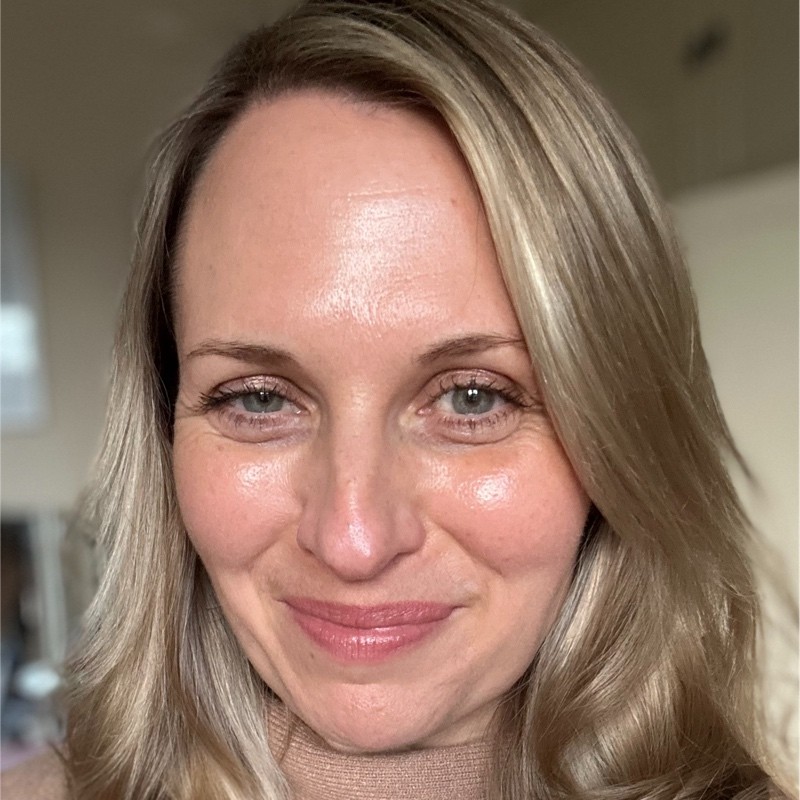
Trust Curriculum and Development Lead, Greater Manchester Education Trust
Sam Gibbs is Director of Education at Greater Manchester Education Trust. She is an experienced English teacher, school leader and teacher educator who has worked with schools across the country on teaching and learning, curriculum and professional development. Sam is Deputy Chair of Trust Wide CPD Leaders, a national network of over 250 trusts who lead professional development at scale. She is also co-author of The Trouble With English and How to Address It: A Practical Guide to Designing and Delivering a Concept-Led Curriculum (Routledge: 2022) and the forthcoming Love The One You’re With: Why Teachers Stay and What We Can Learn from Them (John Catt: 2025).
When working with schools, compliance is the floor, not the ceiling. The most successful trusts move beyond the monitoring trap to curate brilliance, facilitating a culture of professional partnership rather than simple oversight. This session explores the balance between trust-level strategy and the agency of the school leader, shifting the dynamic so leaders are co-architects of strategy rather than just recipients of it. We will share practical frameworks for high-challenge, high-support approaches that respect local context and professional expertise, and explore how alignment doesn’t come at the cost of leadership agency or school improvement.
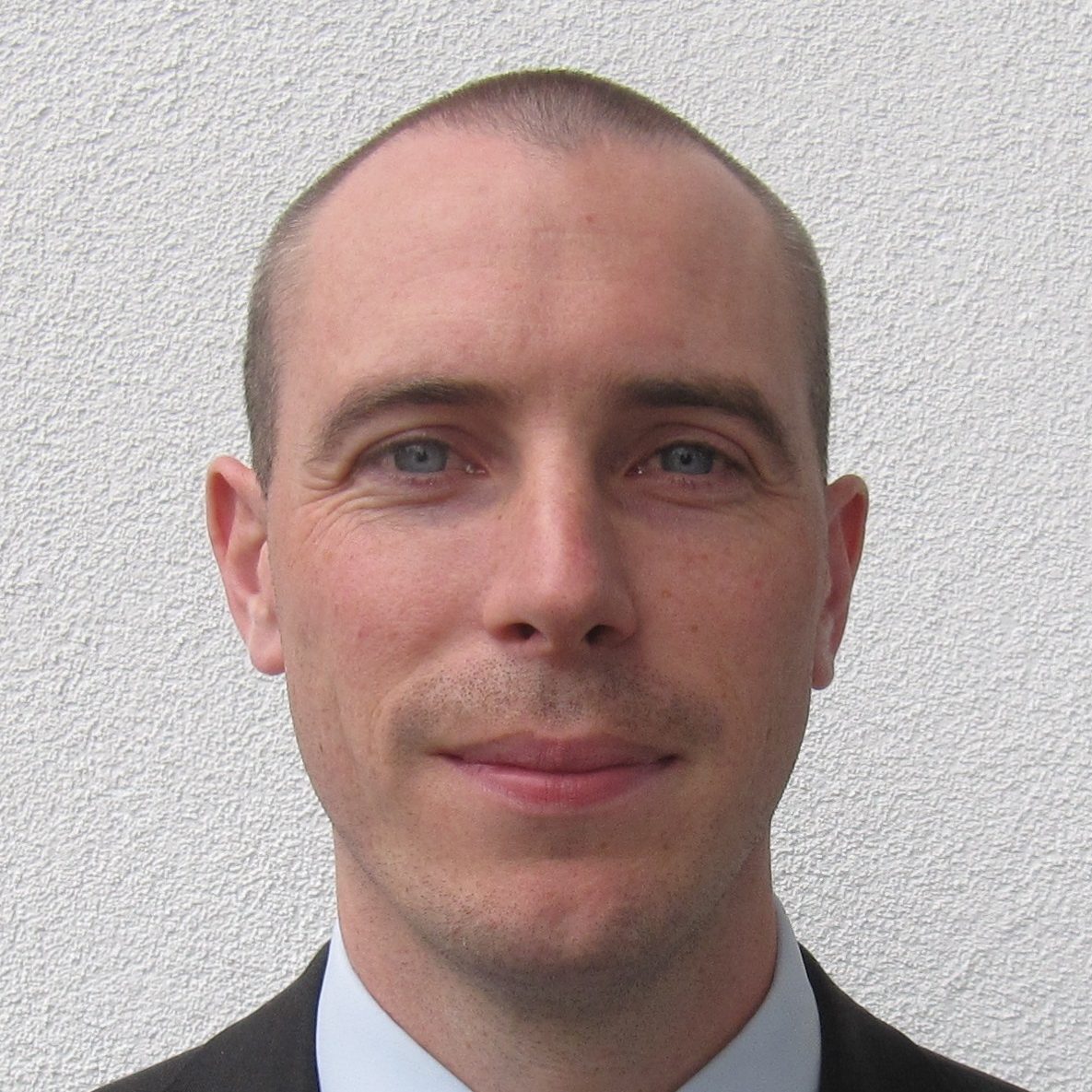
Director of Education; Headteacher, Xavier Catholic Education Trust
Sam Crome is a school leader, currently a Headteacher and Director of Education for Xavier Catholic Education Trust in Surrey. He has lead in primary and secondary schools, across a range of roles in middle and senior leadership. For the last few years, Sam has studied high-performing teams, trying to better understand how teams can become more than the sum of their parts. He regularly blogs, speaks, and works with schools regarding their teams, helping educators to maximise their effectiveness, and is author of The Power of Teams: How to create and lead thriving school teams. He remains convinced that this is an area that needs more attention and exploration.

Lead Professional Development Manager, Hachette
Alex has worked in various roles in the Professional Development team at Hachette Learning for over 12 years. During this time, he has commissioned a wide range of professional development products to support teachers’ growth, including in-person workshops, online self-paced modules, and most recently, Hachette Learning Publications (formerly John Catt). He has a keen interest in understanding the challenges of the modern-day classroom and works closely with leading experts to develop practical solutions that support teachers and improve student outcomes.
Reading sits at the heart of pupils’ life chances, shaping access to the curriculum, future study and the opportunities available beyond school. This workshop offers a practical case study of how Lift Schools has driven significant improvement in reading at scale. It will share the steps taken to build a coherent, trust wide approach, the impact achieved to date, and the challenges that remain. Focusing on implementation over theory, the session will set out the practical actions taken at each stage, from defining the problem through to embedding consistent practice across schools. It will also share the most recent learning as the work continues to evolve, providing clear and actionable insights for leaders seeking to secure strong reading outcomes at scale.

National Lead for Secondary English and Reading, Lift Schools
Liz Cowley is the National Lead for Secondary English and Reading at Lift Schools.

Associate Director of 490, Lift Schools
Ian is a senior leader at Lift Schools, where he leads the trust’s flagship 490 vision across 59 schools. One of the longest serving trust leaders in the country, he has worked within the trust since 2009, focusing on sustained school improvement through high quality leadership and teaching.
His work is grounded in the intelligent use of data and insights to sharpen performance, including quantifying education debt at both school and pupil level to inform precise provision. He has supported some of the country’s most challenging schools and is deeply committed to improving outcomes for disadvantaged pupils.
At the core of his approach is a belief in the twin importance of strong character and secure knowledge. He sees education as a source of hope, opening up opportunities that many young people may not otherwise see in their daily lives.