
Welcome remarks from CST's Finance and operations professional community Chairs: Sarah Lovell, Chief Operating Officer, Cabot Learning Federation, and Ben March, Chief Finance and Operations Officer, STEP Academy Trust.

Chief Finance and Operations Officer, STEP Academy Trust
Ben has worked at senior positions with the public sector for many years and was part of a pilot programme for aspiring business managers run by the National College, achieving an Advanced Diploma in 2013. Ben joined STEP in 2014, and since that time has embedded a business strategy which has facilitated STEP’s growth from four schools in Croydon to 20 across London and the south east, as well as ensuring consistently strong outcomes for pupils. Currently, Ben’s remit includes oversight of the STEP Ahead Teaching School Hub, as well as all functions that support the education offer of the trust.
As part of Ben’s commitment to the education sector, he has been involved in shaping various pilots organised by the department, including the SRMA and mentoring CFO programmes. This is in addition to supporting the department on bespoke projects and undertaking trust reviews on behalf of regional directors as well as at the request of trust boards. Keen to support the sector in other ways, Ben also speaks at national conferences and has been commissioned by Ambition Institute and Fig Tree International to present on their executive programmes.
Ben is a qualified accountant and recently completed his NPQH. Ben is a Fellow of the Institute of School Business Leaders and past Trustee of the Institute.

Chief Operating Officer, Cabot Learning Federation
Sarah Lovell is the Chief Operating Officer (and CFO) of the Cabot Learning Federation. The COO is responsible for all areas of operational activity outside of educational delivery. This includes leading professional services which covers estates management, governance, IT, administration, communications, HR, and finance.
Sarah started in role in January 2022, having previously held the role of finance director for over 4 years. She is a qualified accountant of over 10 years and has worked in range of different sectors including legal and IT. Sarah is involved in a number of external networks that include Bristol School’s Forum, chairing the Queen Street Group Finance Subgroup and is chair of CST's Operations Community.
Sarah is passionate about the role of professional services within education and the positive impact it has on a pupil’s school experience. This includes ensuring professional services colleagues have excellent professional development and opportunities to progress.
Session details to be confirmed.
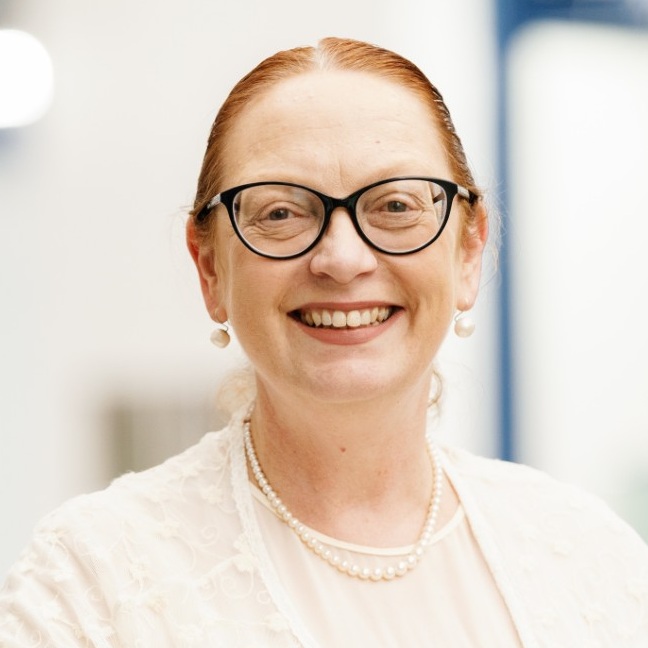
Chief Executive, CST
Leora Cruddas is the founding Chief Executive of the Confederation of School Trusts – the national organisation and sector body for school trusts in England. She has advised successive governments and sits on several Department for Education advisory bodies. She was recently the vice chair of the Head Teacher Standards Review Group, a member of the external advisory group for the Schools White Paper, SEND National Implementation Board and the Regulatory and Commissioning Review.
Prior to founding CST, she was Director of Policy and Public Relations for the Association of School and College Leaders. Leora has six years of experience as a director of education in two London local authorities. She is a visiting professor at UCL Institute of Education. Leora was made a CBE in the 2022 New Year’s Honours.
This fireside chat will explore the financial, operational and strategic considerations of the changing inclusion landscape for school trusts. The discussion will consider emerging policy developments, funding pressures and the implications for trusts as they plan for and deliver more inclusive provision.

Research Fellow, The Institute for Fiscal Studies (IFS)
As school trusts respond to changes in inclusion, workforce expectations, technology, sustainability, estates, operating systems and funding and procurement, finance and operations leaders are helping to shape organisations, lead people through uncertainty and create the conditions for children and young people to thrive. In this discussion, trust leaders will reflect on the biggest changes affecting the sector, the opportunities they create, and the leadership approaches needed to navigate them successfully. Panellists will explore the risks leaders should be aware of, the benefits that change can unlock, and why finance and operations professionals have a critical role in enabling impact for children.

Chief Operating Officer, National Institute of Teaching
Amrit Singh is Chief Operating Officer of the National Institute of Teaching. His career has been shaped by a simple belief: finance and operations should not simply service an organisation, they should actively make it better.
Across retail, financial services and education, Amrit has transformed processes, systems and teams; redesigned operating models; improved performance; and put better data at the heart of decision making. He has led change in cost constrained and growth environments, finding efficiencies and making deliberate choices about where and when to invest.
Before moving into education, Amrit spent a decade in financial services, including as finance director for a €500m revenue business. He led organisational transformation at Nasen before joining NIoT as COO during its start-up phase, developing its infrastructure as it moved towards institutional maturity.
His experience reinforces his belief that effective finance and operations leaders enable better decisions and help organisations navigate change well.

Deputy Chief Executive and Chief Financial Officer (CFO), L.E.A.D Academy Trust
Bobby Thandi is Deputy CEO and Chief Finance and Operations Officer (CFOO) at L.E.A.D. Academy Trust, a school trust serving approximately 12,000 pupils across the East Midlands with an annual turnover of around £100 million. He leads the trust's finance, operations, governance, estates, IT, marketing and organisational development functions, helping to drive sustainable growth and long-term organisational success.
In addition to his executive leadership responsibilities, Bobby leads commercial activity generating over £9 million of annual income, strengthening the trust's financial resilience and capacity to invest in pupils, staff and schools.
With extensive experience in academy trust leadership, Bobby has led major programmes focused on financial sustainability, operational excellence, trust growth, strategic marketing, digital transformation and business improvement. He is particularly passionate about helping trusts maximise impact through effective resource management, strong central services, data-driven decision-making and the practical application of technology and AI across education.

Chief Financial Officer, Arthur Terry Learning Partnership
Chris Jones is a senior finance leader with experience across the academy trust, corporate and international sectors. A Fellow of CIMA, his career includes UK, European and global finance roles at Patheon and Dyson, alongside more than eight years in school trust finance leadership, including CFO-level roles. His experience spans strategy, FP&A, transformation, systems and reporting.
Chris leads finance at The Arthur Terry Learning Partnership (ATLP), a trust of 24 schools serving more than 11,000 pupils. He joined as Deputy CFO in April 2025, becoming CFO in February 2026, and has helped transform the finance function, deliver in-year savings and strengthen reporting and assurance. He works closely with the DfE on ATLP’s recovery and rebrokerage plans, supporting the trust through significant change.
Chris is passionate about making finance accessible, practical and purposeful, while always “seeing the people behind the numbers.” He is a two-time Dopey Challenge runner.
Chief Operating Officer, Cabot Learning Federation
Sarah Lovell is the Chief Operating Officer (and CFO) of the Cabot Learning Federation. The COO is responsible for all areas of operational activity outside of educational delivery. This includes leading professional services which covers estates management, governance, IT, administration, communications, HR, and finance.
Sarah started in role in January 2022, having previously held the role of finance director for over 4 years. She is a qualified accountant of over 10 years and has worked in range of different sectors including legal and IT. Sarah is involved in a number of external networks that include Bristol School’s Forum, chairing the Queen Street Group Finance Subgroup and is chair of CST's Operations Community.
Sarah is passionate about the role of professional services within education and the positive impact it has on a pupil’s school experience. This includes ensuring professional services colleagues have excellent professional development and opportunities to progress.
Chief Finance and Operations Officer, STEP Academy Trust
Ben has worked at senior positions with the public sector for many years and was part of a pilot programme for aspiring business managers run by the National College, achieving an Advanced Diploma in 2013. Ben joined STEP in 2014, and since that time has embedded a business strategy which has facilitated STEP’s growth from four schools in Croydon to 20 across London and the south east, as well as ensuring consistently strong outcomes for pupils. Currently, Ben’s remit includes oversight of the STEP Ahead Teaching School Hub, as well as all functions that support the education offer of the trust.
As part of Ben’s commitment to the education sector, he has been involved in shaping various pilots organised by the department, including the SRMA and mentoring CFO programmes. This is in addition to supporting the department on bespoke projects and undertaking trust reviews on behalf of regional directors as well as at the request of trust boards. Keen to support the sector in other ways, Ben also speaks at national conferences and has been commissioned by Ambition Institute and Fig Tree International to present on their executive programmes.
Ben is a qualified accountant and recently completed his NPQH. Ben is a Fellow of the Institute of School Business Leaders and past Trustee of the Institute.
Chief Operating Officer, Cabot Learning Federation
Sarah Lovell is the Chief Operating Officer (and CFO) of the Cabot Learning Federation. The COO is responsible for all areas of operational activity outside of educational delivery. This includes leading professional services which covers estates management, governance, IT, administration, communications, HR, and finance.
Sarah started in role in January 2022, having previously held the role of finance director for over 4 years. She is a qualified accountant of over 10 years and has worked in range of different sectors including legal and IT. Sarah is involved in a number of external networks that include Bristol School’s Forum, chairing the Queen Street Group Finance Subgroup and is chair of CST's Operations Community.
Sarah is passionate about the role of professional services within education and the positive impact it has on a pupil’s school experience. This includes ensuring professional services colleagues have excellent professional development and opportunities to progress.
In this practical case study, Mo Chatra, Chief Finance and Operations Officer at Academy Transformation Trust (ATT) will share how ATT transformed its catering service for 13,000 students, improving meal quality, strengthening staff engagement and delivering long-term savings. Delegates will gain insight into the challenges, implementation process and lessons learned from taking a major support service back under trust control. Delivered jointly with ATT's catering leadership team and Litmus, the session will explore how trusts can align operational decisions with both educational outcomes and financial sustainability.

Chief Finance & Operations Officer, Academy Transformation Trust (ATT)
Mo Chatra is Chief Finance & Operations Officer at Academy Transformation Trust and has extensive experience of financial turnaround, transformation and centralisation. He previously led the centralisation of finance at Lionheart Educational Trust, alongside implementation of GAG pooling and achieved a significant strengthening of the trust’s financial position. At ATT, he leads finance and a broad range of operational services across the trust and has significantly turned around the trust's financial position in addition to improving operational effectiveness. A CIPFA-qualified accountant, Mo has worked across academy trusts, central government, local government and the NHS, giving him a broad perspective on finance and transformation across the public sector.
What do trust finance and operations leaders need to know about the changing procurement landscape? This panel will explore key developments and strategic considerations across energy, MiS and digital systems, people and wider business procurement, looking at how trusts can make informed choices, demonstrate value and achieve greater efficiencies. The conversation will then open to delegates, with an opportunity to put questions directly to the panel and hear panellists share practical tips and approaches from their own experience.

Director, Ginger Energy
With two decades of experience in the UK energy industry working for suppliers, consultancies and representing customers, I'm well versed in the intricacies and peculiarities of this complex market. As Director of Ginger Energy, I'm passionate about working for our public sector clients to secure the best procurement solutions and lived experiences for their energy needs.

CEO, Value Match
David created Value Match over 10 years ago as a specialist procurement services and consultancy company. Previously, David has held senior positions in the cabinet office, HM treasury and recently as director of procurement, sustainability and social impact at NHS SBS. Through extensive experience in ensuring procurement aligns to an organisations strategy and purpose, David believes that procurement can play a pivotal role in mitigating climate change while delivery positive social vale impact and improving broader organisational outcomes.

Director of Strategy and Partnerships, Edwin Group
Charnice Scott leads Strategy and Partnerships at Edwin, where she has worked for 13 years, helping trust executive teams turn workforce challenges into long-term strategy across recruitment, retention, HR and culture. She is passionate about connecting people, championing the whole school workforce, including support staff, and building relational trusts where great people want to stay.

Director of Trust Governance, CST
Samira Sadeghi is Director of Trust Governance for CST. Prior to that, she was Head of Governance and Company Secretary at Academies Enterprise Trust, a multi-academy trust with 57 schools, and served as Regional Governance Officer at Ark Schools for four years. Before moving to the UK with her family in 2010, she was a criminal defence attorney and spent 12 years representing clients on California's death row in their post-conviction proceedings.
As trusts respond to falling rolls and changing needs in their communities, wraparound childcare and early years provision can offer both a strategic opportunity and a potential new source of income. This panel will hear from trusts of different sizes and at different stages of developing their provision, exploring what is working, what they have learned, and the realities of making it financially and operationally sustainable. The conversation will also consider the particular challenges for smaller trusts, alongside questions of inclusion, capacity and how provision can best respond to the needs of families and communities.

Chief Operating Officer, REAch2 Academy Trust

Chief Finance and Operations Officer, Discovery Schools Academies Trust
Steve Orton is a qualified chartered accountant and currently serves as Chief Finance and Operations Officer for Discovery Trust, a position he has held since September 2023. He has worked within multi-academy trusts for over 10 years and brings more than 20 years of post-qualification experience in the education and charities sector, with a strong focus on financial leadership and operational excellence.
In addition to his executive role, Steve is Chair of the Risk and Audit Committee at Learn Academies Trust and serves as a governor at Bingham Primary School. He is a passionate advocate for the transformative power of education and is deeply committed to values that promote equity, opportunity, and excellence.

Finance Director, Ebor Academy Trust
Andrew Robinson is a CIMA qualified accountant with a BA in Accounting and Management Control. He has over 25 years’ experience of working with fast-growing entrepreneurial businesses in senior finance roles. Following his last role as finance and risk director for a financial services company in York, he joined Ebor in April 2017.

Managing Director, Childcare Bookings
Dan McCaffrey is the co-owner and Managing Director of Childcare Bookings for Schools, and has extensive experience across education and childcare. A former primary and secondary teacher, he is a founding member of the DfE school-aged childcare steering group. Dan is also an experienced primary school governor, giving him clear insight into the financial and organisational pressures on schools today.
Dan’s passion is helping schools maximise their impact on every child in their care. He understands that with shrinking budgets, schools are being forced to act and think more commercially and is proud to run a business that help schools achieve that, whilst enabling them to retain their primary focus on providing pupils with a great education.
Dan lives in Sussex with his family, their indifferent cat and badly behaved dog.
How can trusts make better use of their existing estates to create more inclusive learning environments, without isolating pupils or treating space as a response to behaviour? In this ‘in conversation’ session, two trust leaders with different professional perspectives will share how they have worked together, combining expertise in estates, SEND, education and learning to rethink how school spaces can better meet the needs of all pupils. Drawing on practical experience of adapting spaces across both mainstream and specialist settings, they will explore how trusts can balance the demands of estates strategy and guidance with inclusion, attainment and the changing needs of pupils. The conversation will consider the importance of collaboration between those responsible for estates and education, what can be achieved across trusts of different sizes and resources, and offer practical, scalable ideas that delegates can take back to their own settings.
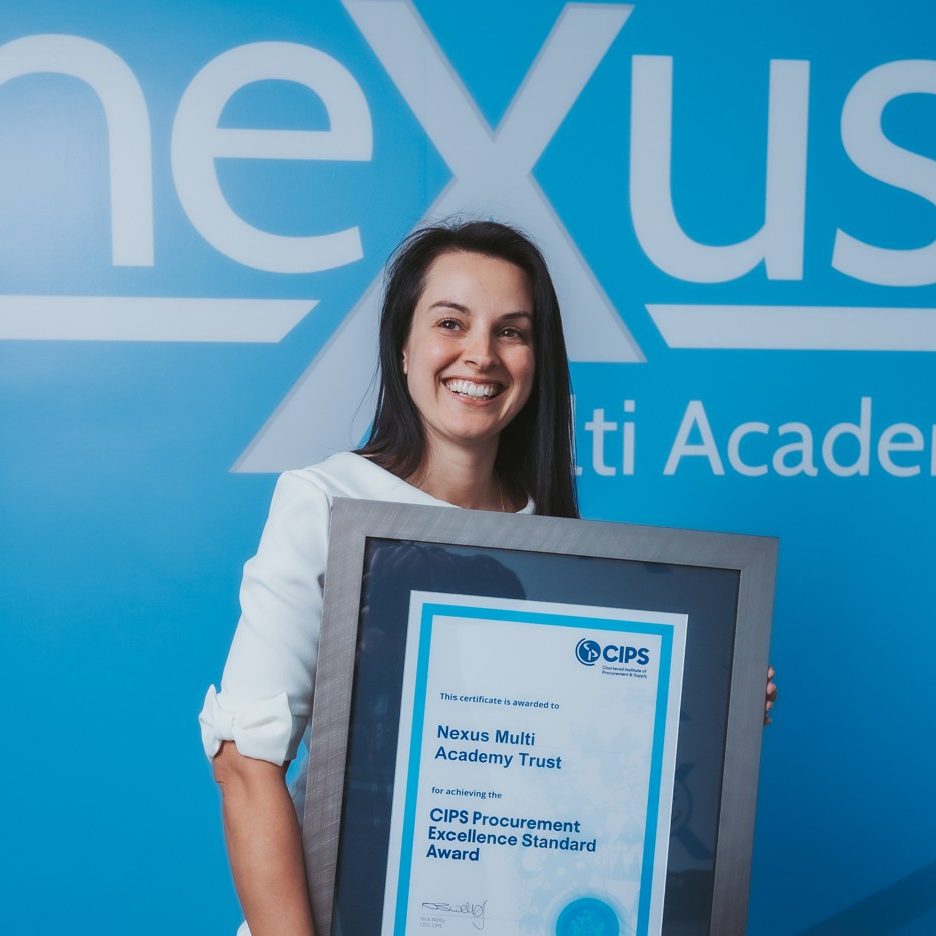
Executive Director, Business Transformation, Nexus Multi Academy Trust
Lana Stoyles is Executive Director of Business Transformation at Nexus Multi Academy Trust and Managing Director of Nexus Services Group Ltd. With over 15 years' experience in commercial leadership, transformation and strategic delivery, she leads programmes that drive innovation, organisational improvement and sustainable growth across the education sector.
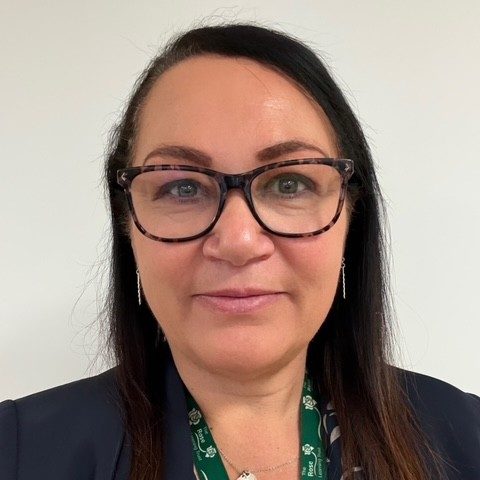
Executive Director of School Improvement and SEND Director, The Rose Learning Trust
Debbie Secker is Director of School Improvement and SEND Director at The Rose Learning Trust, a primary school trust based in Doncaster. With over two decades of experience in education, she leads trust-wide school improvement, quality assurance and SEND strategy, and supports the development of headteachers across the trust’s schools.
A former principal of Richmond Hill Primary Academy, Debbie is a member of the trust’s executive leadership team and provides executive leadership to local primary schools. She holds the National Professional Qualification for Headship (NPQH), the National Professional Qualification for Executive Leadership (NPQEL) and a Post Graduate Diploma in special and inclusive education.
Debbie’s approach is grounded in inclusion, collaboration and culture. She believes strong leadership at every level creates a ripple effect across schools and communities, and is committed to ensuring every pupil, whatever their needs, has the opportunity to thrive.
Building on their 2026 mainstage session marking the publication of the 14th Academies Benchmark Report, this session will see the Bishop Fleming team revisit the latest benchmarking picture across the academy sector, exploring the key financial and operational trends emerging from the data and what they tell us about the sector’s overall health and resilience. The session will then take a deeper dive into primary-only trusts, expanding upon and updating the analysis published by Bishop Fleming earlier this year on the long-term financial resilience of primary-only trusts. Using the latest available benchmarking data, the session will revisit the original findings, assess how the position has evolved, and explore whether the challenges identified remain consistent across the sector. The analysis continues to highlight the distinctive characteristics of primary-only trusts, including lower income per pupil, lower levels of reserves, pressures associated with fixed cost structures, falling pupil numbers, increasing SEND demands, and more limited opportunities to diversify income streams. Drawing on both the original Bishop Fleming research and the latest benchmarking evidence, the session will consider what these findings mean for the long-term sustainability and financial resilience of primary-only trusts, together with the practical implications for trust leaders as they plan for the future.

Audit Partner and Head of Academies, Bishop Fleming
With 25 years’ audit experience, Kevin has specialised in the academy sector for the past 15 years, supporting a diverse portfolio of academy trusts, including some of the largest school trusts in the country. He is particularly experienced in advising trusts in financial difficulty, working with the DfE, and guiding trusts on matters of regularity, governance and trading subsidiaries.
As one of the key authors of the Kreston Academy Benchmarking Report, Kevin brings first-hand knowledge of the challenges and opportunities facing the sector. His contribution to the report is backed by his reputation as a sector expert – recognised by regulators and trusted to provide input into DfE guidance. Kevin combines deep technical expertise with a relationship-driven approach, sharing benchmarking insights to help trusts strengthen their financial sustainability and strategic decision-making.

Audit Director and Responsible Individual, Bishop Fleming
Chris has worked with the academy sector since its creation in 2010 and now leads academy operations at Bishop Fleming, overseeing training, development, and an annual programme of sector events. He has worked with more than 40 trusts, advising on growth and helping school trusts shape their strategic journey.
Chris is a contributor to the Kreston Academy Benchmarking Report, leading the data analysis that underpins its insights. Each year, he and his team sift through vast amounts of financial information to identify trends and deliver clarity, enabling trust leaders to benchmark effectively and make informed decisions.
In addition to his benchmarking work, Chris represents the profession in national forums, including the DfE’s Academy Accounts Direction working group and the counter-fraud working group, and has helped shape sector reporting through DfE good practice guides. His focus on data-driven insight ensures his benchmarking contributions are both rigorous and practical for trust leaders.